

9 Stories To Know
Our rundown of the most interesting stories of the week

Good Morning.
Today (and Fridays moving forward) we want to share the most important stories that happened during the week at the intersection of technology and policy. Let us know if you find it helpful.
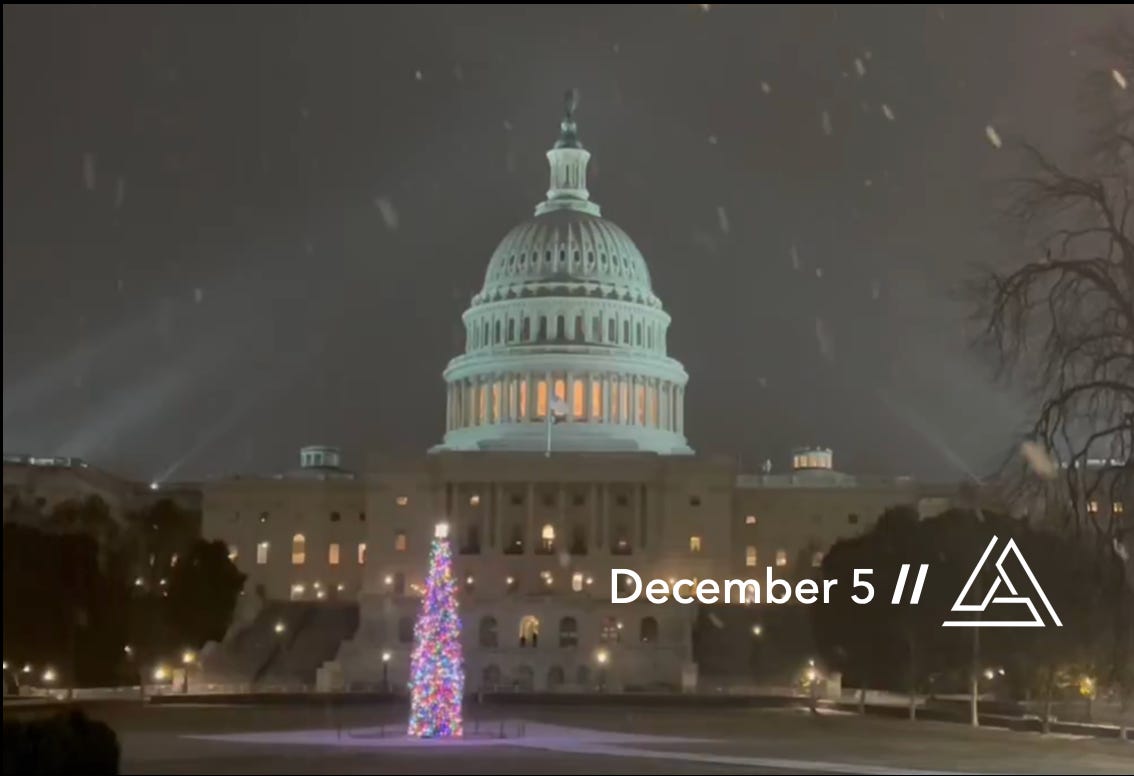
National Defense Bill On Deck—Sans AI Policy
The final text of the National Defense Authorization Act is expected to be released this weekend. Until then, there are two big tech policy issues we know won’t be included.
A moratorium on the ability for states to issue regulations on artificial intelligence. This was the second attempt to add this policy to a larger “must pass” piece of legislation. Bipartisan opposition to this idea is growing and leaders in Congress should probably reconsider their approach.
A Senate-originated bill called Guaranteeing Access and Innovation for National Artificial Intelligence Act of 2025 (GAIN AI) was also struck. This provision attempts to determine U.S. demand and prevent the export of advanced AI chips until such demand is met. We’ve talked about the pitfalls of this strategy and are not surprised it is falling away.
LOOK BACK: Earlier this fall ALFA released an essay from former Armed Services Committee Staff Director Chris Veison about the “commercial first” priorities that were largely present in the Senate bill, and should be included in the final package.**
Hope Is Not A Strategy

ALFA board member Richard Porter published a piece in RCP about a high impact, low probability event that “could turn off everything.” If you found Netflix’s “House of Dynamite” interesting (or downright concerning) then this is worth your time.
Two types of electromagnetic pulses could surge our energy and electric infrastructure: a massive solar storm or a nuclear device detonated high in the atmosphere above the U.S.
“Our government formed a commission to assess this risk in 2001, which reported in 2008 that 90% of Americans would likely be dead 6 months after a HEMP attack on the U.S. – because our modern civilization operates as a system of systems, but all of the systems require electricity and electric components to function.”
Yikes.
AI At HHS On The Horizon
At the White House Health Tech event this summer we shared how the administration is using technology to give doctors and patients more tools to improve health outcomes.
Yesterday the Department of Health and Human Services published their AI strategy: critically, they are building a unified “OneHHS AI-Integrated Commons” to break down data silos across its divisions, with ChatGPT already deployed department-wide and AI use cases projected to grow 70% in FY2025.
The strategy targets specific health outcomes like diabetes, cancer, maternal health, and overdose deaths, while using AI for clinical decision support, drug approval acceleration, and claims processing. Procurement reforms will mandate model auditability, ban unauthorized training on HHS data, and favor open-weight models and American-made technologies.
Data Centers’ Social Contract On Energy
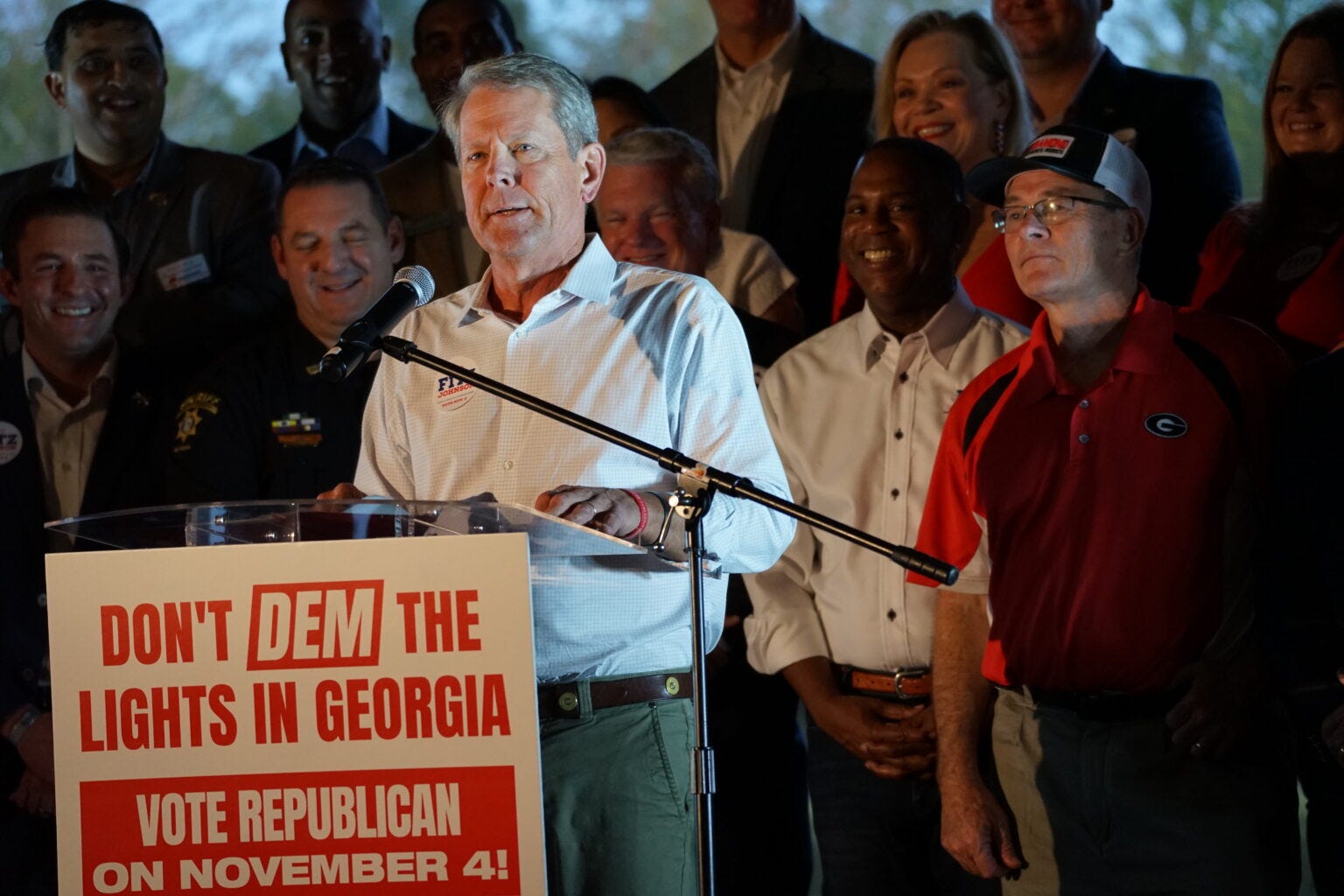
We have been talking a lot about the political risks associated with the massive AI infrastructure buildout. Namely, increasing energy prices. Recent elections in Georgia and Virginia demonstrated voter angst over higher energy prices as a result of datacenter consumption. Microsoft CEO Satya Nadella is wise to these concerns and said this week that the tech industry “needs to earn the social permission to consume energy.”
Policymakers would ignore this advice at their own peril.
Data Centers’ Social Contract On Jobs
On the other side of the spectrum there were two stories this week on the employment and economic impacts associated with data center buildouts.
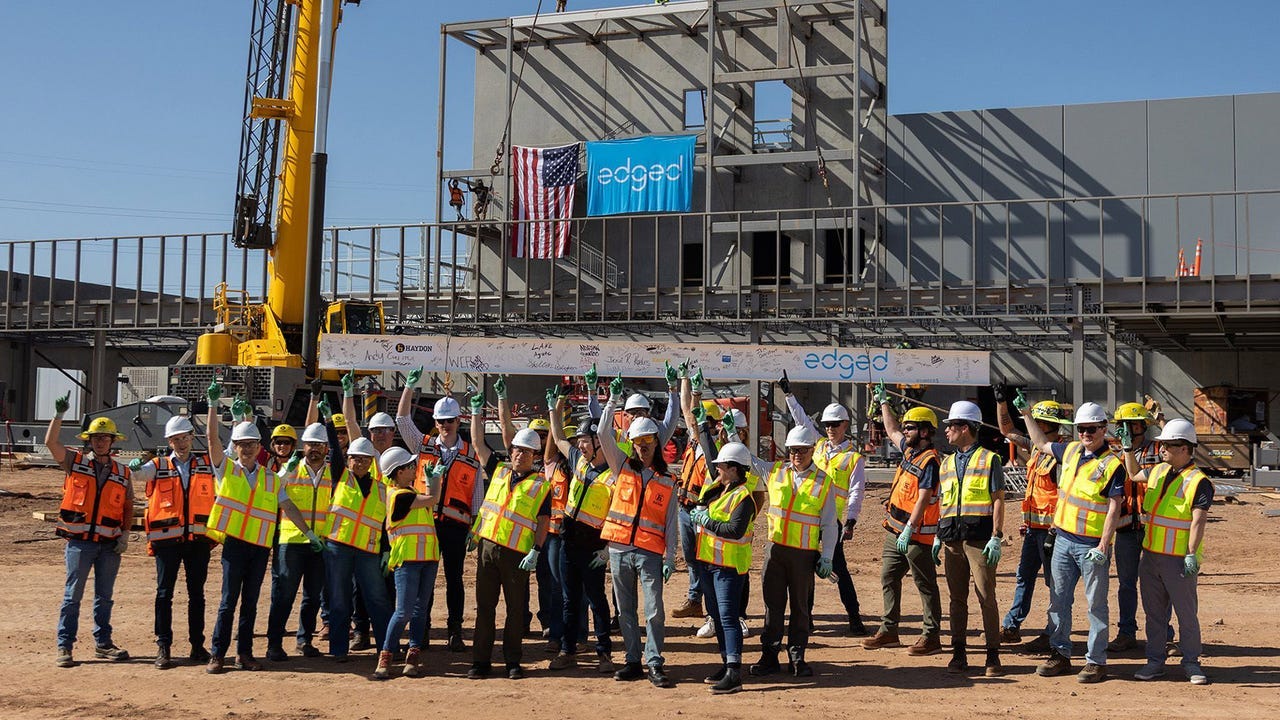
WSJ: The AI-driven expansion of data center construction has created a surge in demand for skilled tradespeople (welders, electricians, plumbers, project supervisors). Contractors are scrambling to fill a shortage of roughly 439,000 skilled workers nationwide, offering pay rises of roughly 25–30%, with many workers now pulling down six-figure salaries.
NYT: The article reports that TSMC (while building major chip facilities in Arizona) is facing a severe shortage of skilled U.S. workers and is finding the complex permitting/regulatory hurdles making it much harder to finish construction and start production compared to comparable fabs in Taiwan. To help, they are bringing experienced staff from Taiwan to train Americans.
LOOK BACK: In October we published a study that showed the job creation opportunity associated with building new data centers.
Autonomy Saves Lives
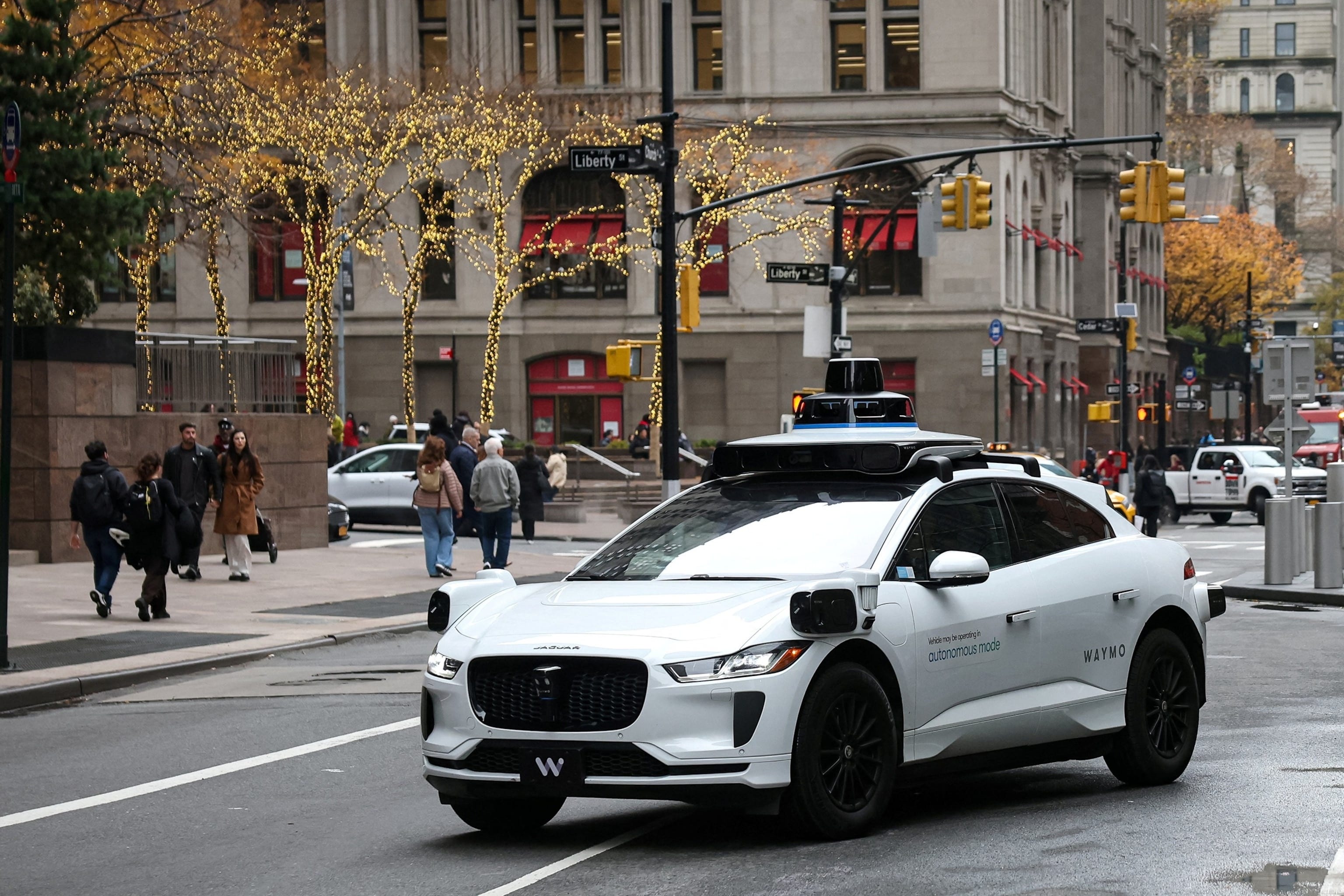
A New York Times OpEd from a trauma neurosurgeon highlighting the human costs of not transitioning to autonomy.
“Waymo’s self-driving cars were involved in 91 percent fewer serious-injury-or-worse crashes and 80 percent fewer crashes causing any injury. It showed a 96 percent lower rate of injury-causing crashes at intersections, which are some of the deadliest I encounter in the trauma bay.”
Cloud Seeding Startup In the Arena
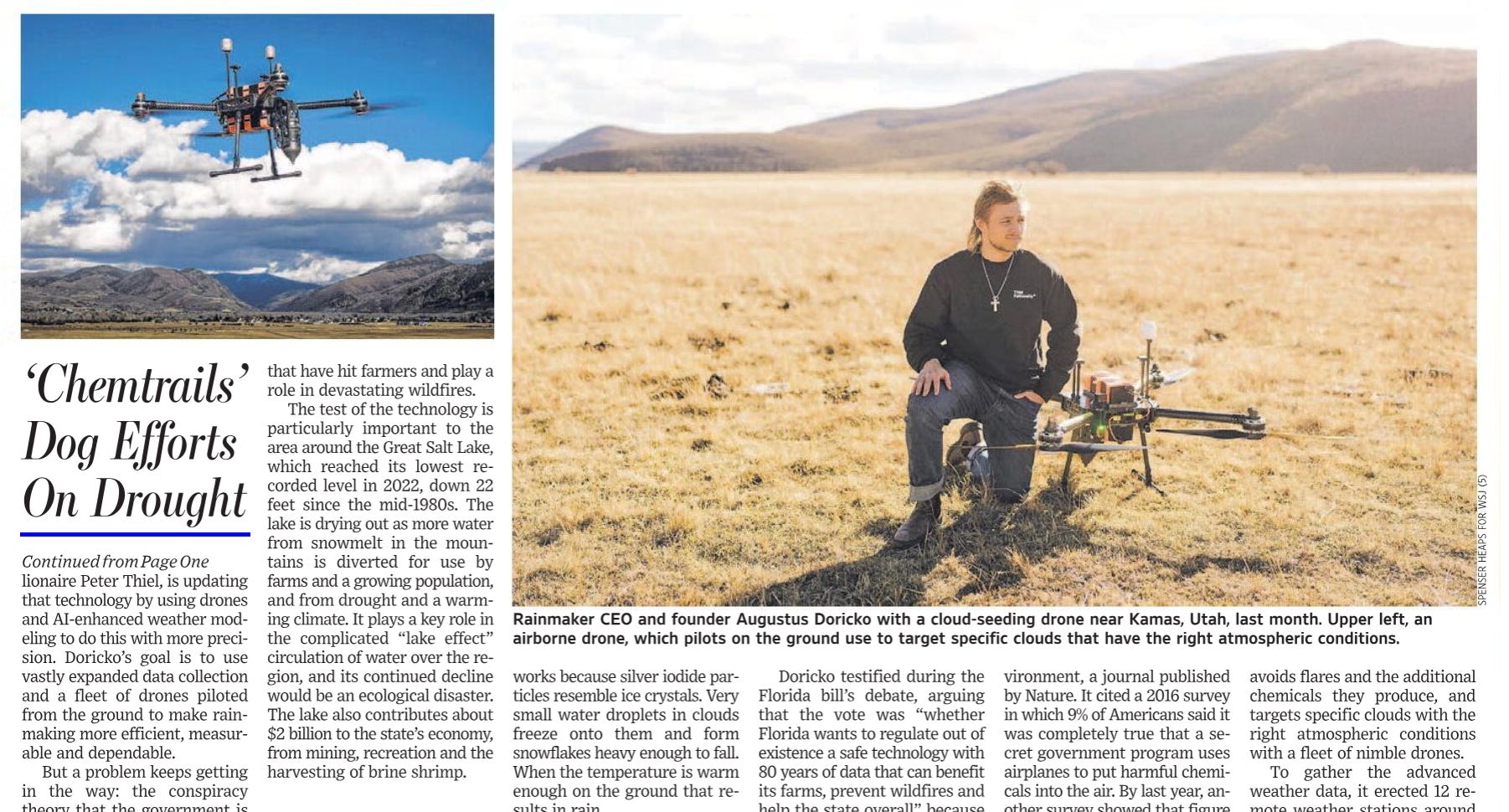
An impressive spread in the Wall Street Journal on a company we’ve talked about before. The story is on the company Rainmaker and it details how cloud-seeding efforts (cheap, science-based tools to boost precipitation and fight drought) are being stalled by chemtrails conspiracy backlash, including threats, misinformation, and proposed political bans. The core strategic risk is public distrust, which could derail one of the lowest-cost water-security interventions available.
Smooth Skies Ahead
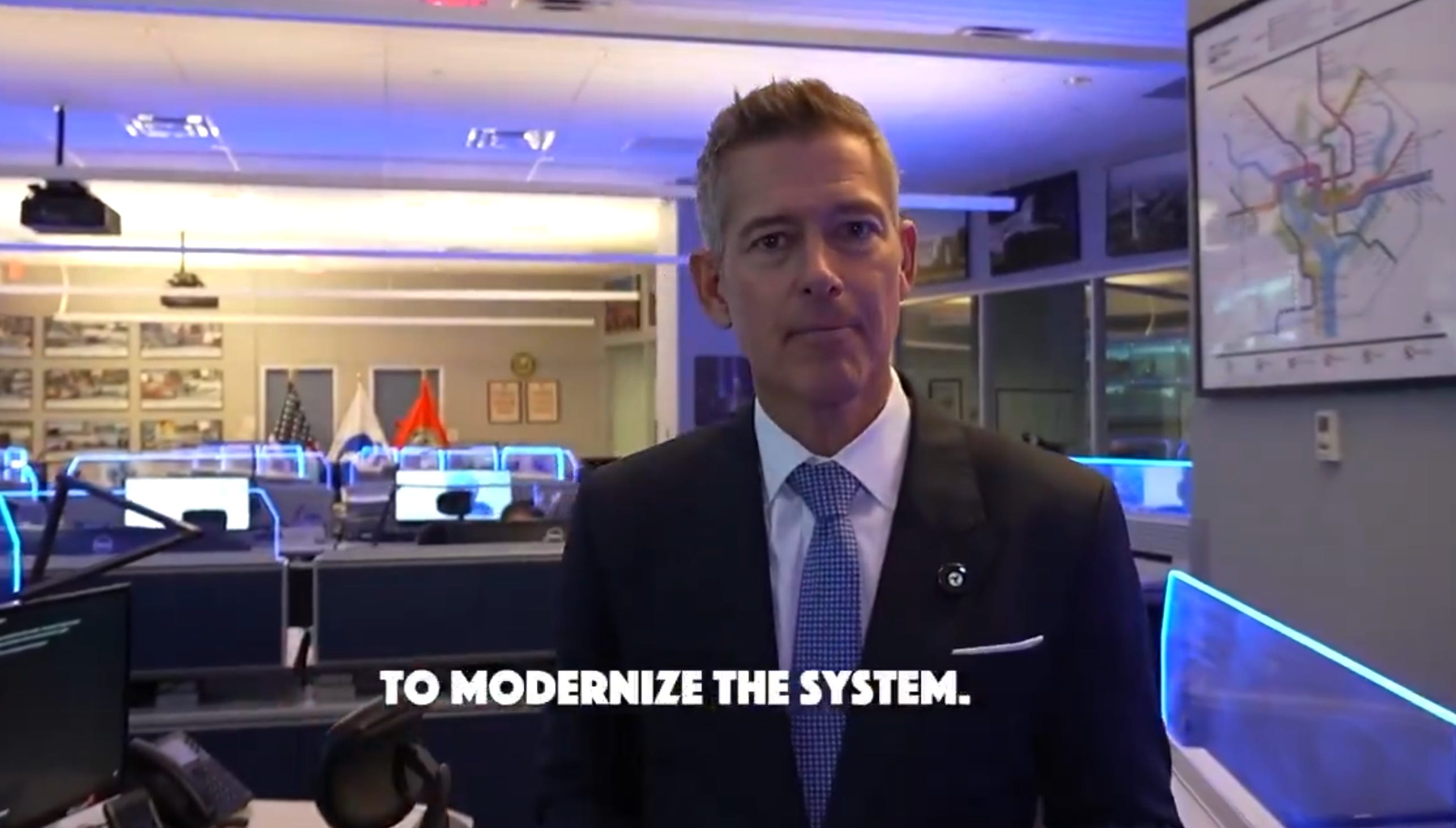
Give Secretary Sean Duffy a microphone and he will tell you about the desperate need to upgrade our air-traffic control system. But of course, anyone that has traveled already knows this too.
A big step towards this was announced yesterday.
The U.S. Department of Transportation picked national-security and technology company Peraton as its system integrator to lead its multi-billion-dollar modernization of the country’s air-traffic control system, a project Congress already seeded with $12.5 billion in the One Big Beautiful Bill.
Committee Action, Wrapped
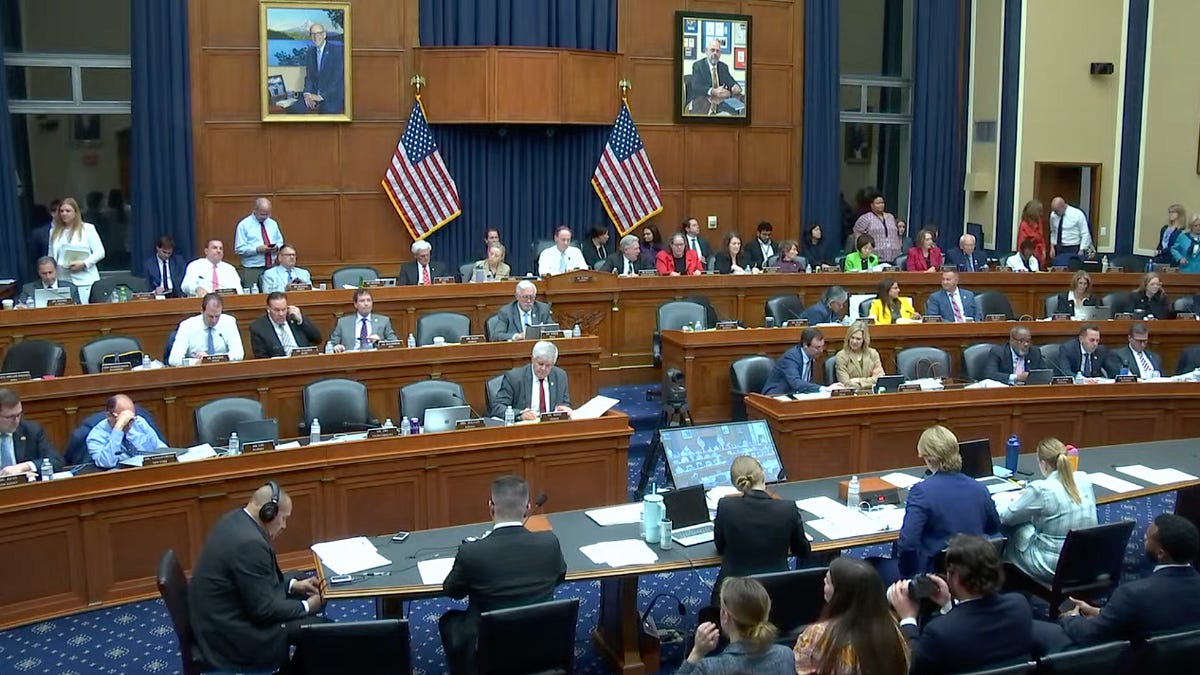
The Energy and Commerce Committee on addressing cyber and physical threats to our grid. Witnesses encouraged Congress to “fund information sharing collaboration initiatives like the Energy Threat Analysis Center (ETAC).”
“ETAC features collaboration between electric industry partners and government agencies through the federal Cybersecurity & Infrastructure Security Agency’s Joint Cyber Defense Collaborative, serving as a spoke to the Joint Cyber Defense Collaborative hub and enabling operational intelligence collaboration for the entire energy sector.”
The Transportation and Infrastructure Committee on the future of electric vertical takeoff and landing (eVTOL) aircraft and advanced air mobility in the United States. The top three themes from the hearing were:
Safety: Electric aircraft are positioned as inherently safer with better situational awareness and fewer mechanical failures
Rural Applications: Strong emphasis on serving underserved communities, medical transport, and emergency services
Regulatory Challenges: Need for consistent FAA certification processes, clear guidelines, and timely responses
The Senate Commerce Committee held a confirmation hearing for NASA administrator nominee, Jared Isaacman. This was Isaacman’s second nomination hearing this year as he was renominated after having his nomination pulled in May. At the hearing, in regard to our race back to the moon, Isaacman said in“The last time I sat before you, I introduced myself, my qualifications and the challenges and opportunities ahead,” Isaacman added. “This time, I am here with a message of urgency.”