

Building Data Centers Is A Jobs Boom
New analysis shows 500,000 new jobs from part of the AI build-out

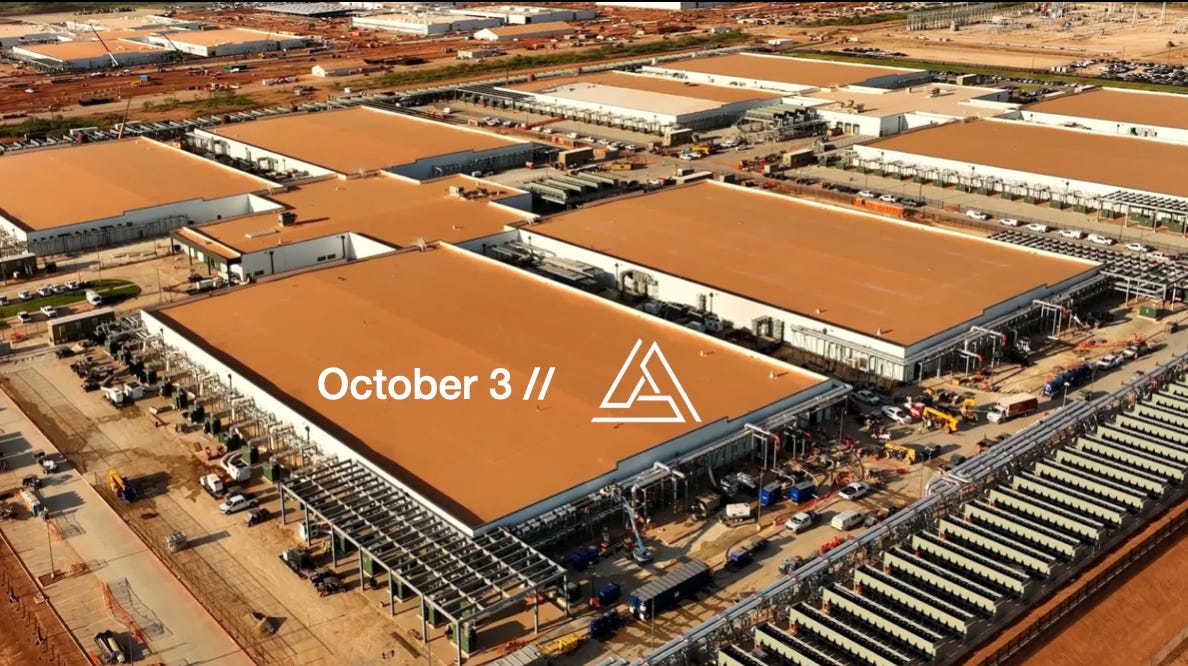
News of major investments for AI infrastructure comes rapidly these days.
Between the sheer size of the investments, the energy that they will consume, and the physical footprint of the more ambitious projects, the numbers can become hard to wrap our heads around.
But it’s important to remember that all of it supports the most essential part of a strong economy and country: jobs.
We haven’t seen much analysis when it comes to measuring the raw employment that AI infrastructure will generate. So, the ALFA Institute set out to understand what that looks like.
Capital Policy Analytics, led by Ike Brannon, conducted a study examining the economic impact of a $100 billion investment in data center construction over five years.
The report, which was released this morning, shows a tremendous opportunity for the American worker:
500,000 new jobs
$800 million in new federal, state, and local tax revenue
$40 billion in labor income—boosting GDP by .46 percent
The AI boom isn’t just an opportunity for greater consumer convenience or worker productivity. It’s an opportunity to catalyze an industrial revival for the country.
Considering analysts predict total AI infrastructure investment to reach the trillions, this report is just a snapshot of what’s on the table.
Upon release of the report, former Congressman and energy and infrastructure policy guru Garret Graves said:
As evidenced in this report, the infrastructure build-out for America’s AI development can catalyze an economic boom that reaches industries and workers across the country. This information is important for policymakers to understand as regulatory and permitting reform is desperately needed for America to win the AI race against China.
AI data centers aren’t just a tech story. They’re an American one.
Read the full report here 👇

A Jobs Promise Must Be Met With A Permitting Plan
This report is just the latest indicator that we are on the cusp of a jobs boom. But to get there, more needs to be done.
When we were in Pittsburgh at Carnegie Mellon University this past summer for Senator McCormick’s Energy and AI Event, we reported back that the top three issues that were mentioned on stage by titans of American industry were workers, energy, and infrastructure.
Following the over $90 billion in new investments that were announced there, we said: “it’s clear we don’t have a capital allocation problem. But we do need to grow our capacities.”
Earlier this week in Detroit, a similarly impressive list of executives expanded on this point. At the Ford Pro Accelerate event, CEO Jim Farley talked about supporting what he refers to as “the essential economy.” Comprised of tradespeople, technicians, and other workers who use their hands, this is the backbone of our economy. And he said we aren’t doing enough to support these Americans and expand the skills they wield.

Here’s what Farley said we needed to expand the essential economy:
One of the biggest barriers is the hesitancy to enter these trades, because as a society, we don’t really reward or celebrate the people who take on these kinds of jobs.
He was later asked on stage by Bloomberg’s David Westin, “what’s the biggest thing holding back the Essential Economy that Farley would communicate to government officials?”
“Permitting,” he said. “I know it’s not sexy, but so much of the Essential Economy is mired in red tape, it takes forever to get things approved. States that have addressed their permitting process are seeing tremendous growth. Second is education. We have to invest in education at every level of skilled trades and I think Ford can and is doing a lot to help ourselves but we as a country are not doing enough.”
In Congress, the House is advancing legislation this fall to achieve the needed permitting and regulatory reforms. Over the coming weeks, we’ll get into those efforts more.
To meet this moment though, sound policy needs to meet political will.
American CEOs like Jim Farley, cultural leaders like Mike Rowe, and business groups such as the American Petroleum Institute and the Chamber of Commerce are putting their weight behind the overall effort. That’s a great start.
This support, joined with independent reports like the one above, should give lawmakers the sense of opportunity and urgency to set the foundation for a new era of American prosperity.