

Chairman Babin Shares His Vision For Better Weather Forecasting
Plus, the Senate's Consideration of Wildfire Tech, Army's PE Pitch, and NASA's Leadership Race

Good morning. Following the tragic flooding in Texas’ Hill Country this past summer, we wrote on the importance of integrating advanced technology into weather forecasting. At the time, the House Science, Space, and Technology Committee held a hearing on “Protecting Lives and Property: Harnessing Innovative Technologies to Enhance Weather Forecasting.” A few months later, the committee advanced legislation to ensure the National Weather Service is at the leading edge of forecasting innovation.
Today, we are honored to share a piece from the chairman of that committee, Dr. Brian Babin, detailing the legislation and why it deserves continued action from the full House and its counterparts in the Senate.
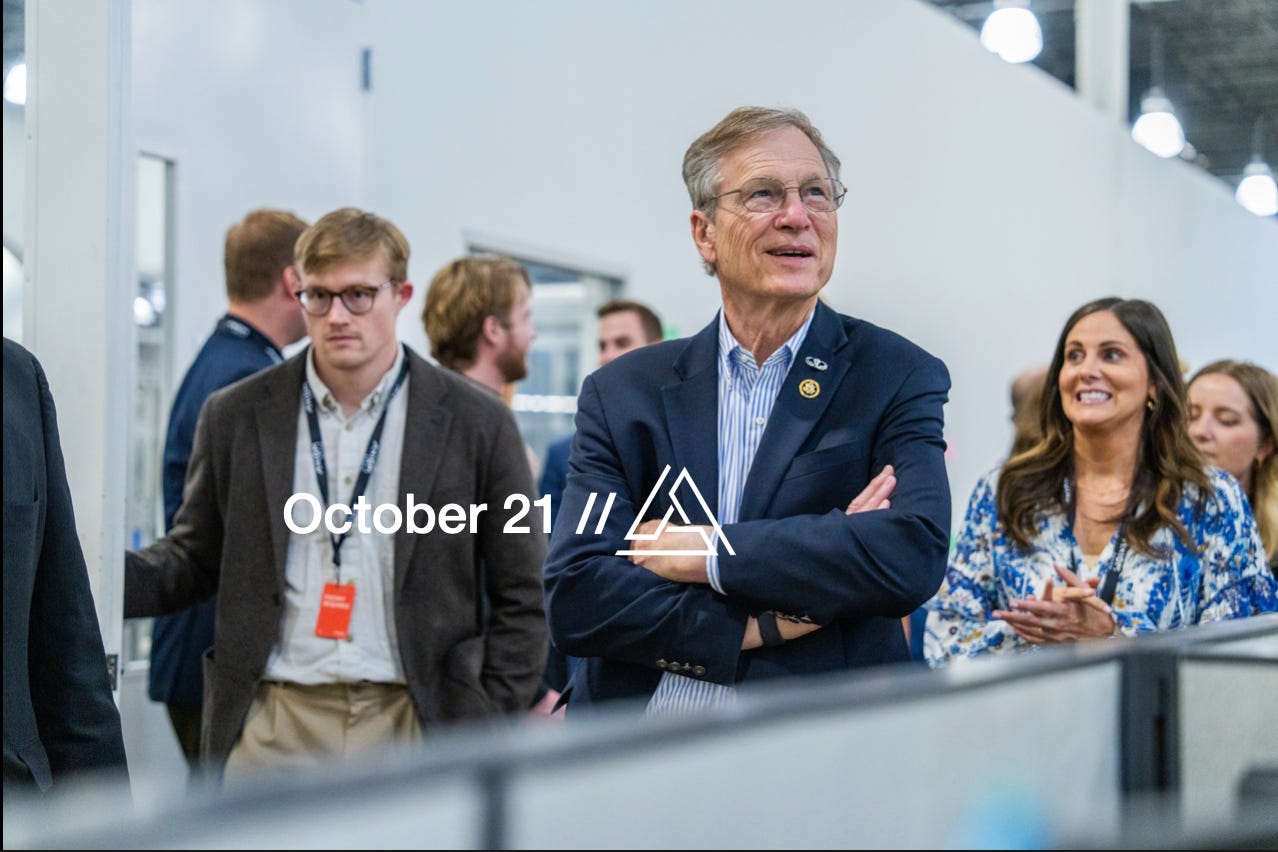
Forecasting the Future: Why Congress Must Pass the Weather Act Reauthorization Act
By Dr. Brian Babin (TX-36), Chairman of the House Science, Space, and Technology Committee
It’s been just over three months since flash floods devastated Central Texas, tragically claiming more than 130 lives. For countless families, it was a life-altering event—and a heartbreaking reminder of the critical importance of America’s weather forecasting enterprise.
To prevent this scale of loss and the billions of dollars in damages that follow, we must take every possible step to ensure our forecasting tools are of world-class quality. As a representative from the hurricane-prone Gulf Coast region, I can tell you that it’s not a matter of if another storm—or any natural disaster—will hit, it’s when. Americans deserve the best forecasting system in the world, and it’s Congress’s responsibility to make sure we have it.
Last month, the House Committee on Science, Space, and Technology took an important step by passing the Weather Act Reauthorization Act of 2025. This bipartisan legislation builds off the successes and lessons learned from the Weather Research and Forecasting Innovation Act of 2017 and strengthens America’s forecasting capabilities through targeted investments in innovation, data, and technology.
By harnessing tools such as artificial intelligence (AI), high-performance computing, next-generation radars, advanced sensors, and improved data assimilation, this bill will fine-tune accuracy, extend warning lead times, and ultimately save lives and property. Better forecasting isn’t just a scientific achievement—it’s a lifeline for communities across the country.
The benefits are tangible. Stronger preparedness for hurricanes, tornadoes, floods, and wildfires. Reduced economic losses as businesses, farmers, and local leaders get more time to plan and respond. And most importantly, more lives are saved, especially in vulnerable regions like the Texas Gulf Coast and Tornado Alley.
This legislation also ensures that the National Weather Service (NWS) continues to operate at the highest level. The NWS is the backbone of America’s weather enterprise—providing the forecasts, alerts, and warnings that protect families and guide first responders. It’s also one of the most cost-effective public services in government, costing only a few dollars per American each year while preventing billions in losses. No other federal program delivers a return on investment as great—or as vital—as the National Weather Service.
An integral part of strengthening the NWS is leveraging the power of a robust private sector. Our commercial weather industry has expanded rapidly, driven by unprecedented advances in sensor technology and data collection. American startups and private companies are now collecting data and observations at an incredible pace, vastly expanding the information available to purchase and assimilate into ever more sophisticated models. It is crucial that NOAA leverage the private sector to ensure continuous improvement in the accuracy and reliability of weather forecasts. This collaboration is especially important in developing and training AI-driven weather forecasting models, which depend on large, diverse datasets to reach their full potential. The Weather Act Reauthorization Act of 2025 enables this collaboration, will advance forecasting capabilities, and protect lives and property.
America must stay ahead not only in space, energy, and defense, but also in the predictive sciences that safeguard our citizens. The integration of AI, machine learning, and advanced modeling in this bill positions our country to lead in the technologies of tomorrow. If we can land astronauts on the Moon and prepare for Mars, there’s no reason we should be second-best at predicting weather here on Earth.
Our Committee has taken the first step by advancing this bipartisan legislation to the full House. Congress should now act swiftly to move the Weather Act Reauthorization Act forward so that families and communities across the country can benefit from first-rate forecasting and greater safety in the face of extreme weather. I look forward to working with Senator Ted Cruz, who leads the Senate Commerce Committee, to ensure this important bill becomes law.
Every day we delay is another day our nation is left vulnerable—to storms, floods, fires, and the unknown. Passing this bill isn’t just about weather—it’s about ensuring safety, strengthening our communities, and reaffirming America’s leadership in science and innovation.
FIELD NOTES
Incorporating Tech to Fix Our Forests
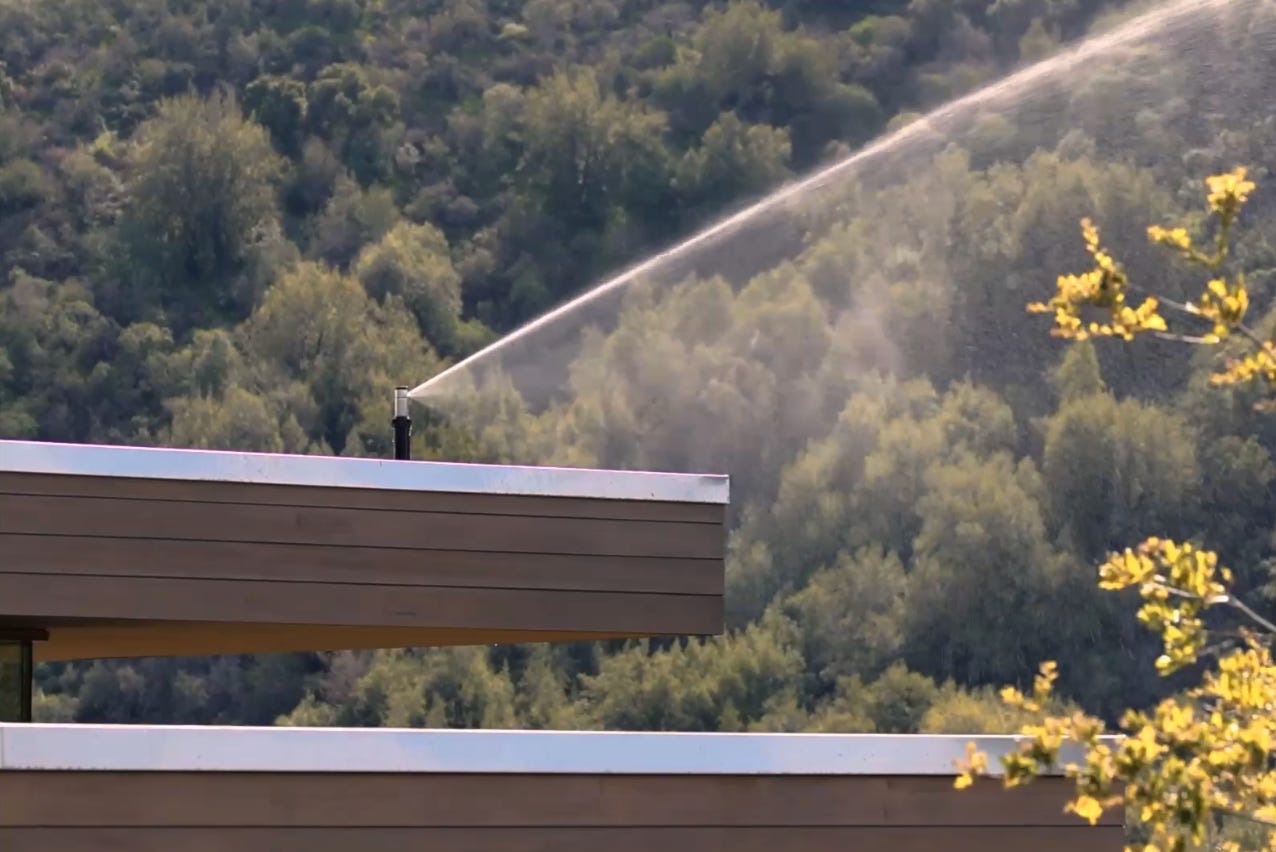
The Senate Agriculture, Nutrition, and Forestry Committee will begin consideration today of the “Fix Our Forests Act,” sponsored by Senator John Curtis. The legislation includes a “Community Wildfire Defense Innovation Prize” to encourage new ideas that make buildings and communities more resistant to wildfires. It also establishes a seven-year pilot program that allows new wildfire-related technologies to be tested, demonstrated, and scaled in real-world fire conditions in partnership with federal, state, and local firefighting agencies.
Army Turns To PE
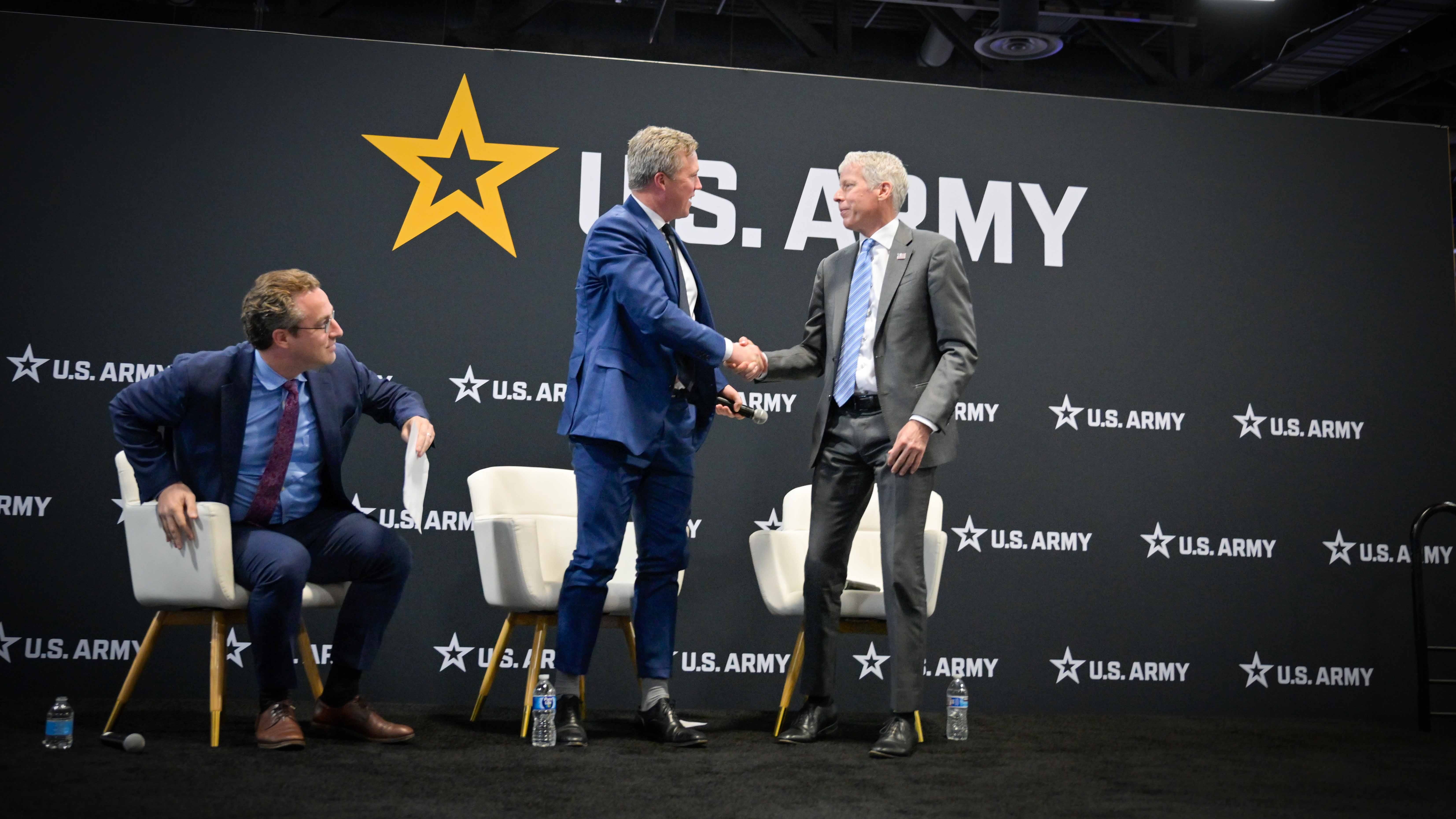
The FT reports this morning that the Secretary of the Army and the Treasury Secretary recently held a forum with top private capital firms to explore more private sector partnerships to advance strategic infrastructure projects.
According to the FT:
[Secretary] Driscoll added the projects could include data centers and rare earth processing facilities, and could involve the federal government swapping land for computer processing power or output from rare earth processing.
He described the proposal to the group as, “instead of paying us with cash for the land, you pay us in compute”.
One attendee said the ideas presented at the forum included ways for private capital groups to build data centers on army bases and enter lease agreements with the government — an effort to speed construction and lower capital costs.
NASA’s Leadership Race
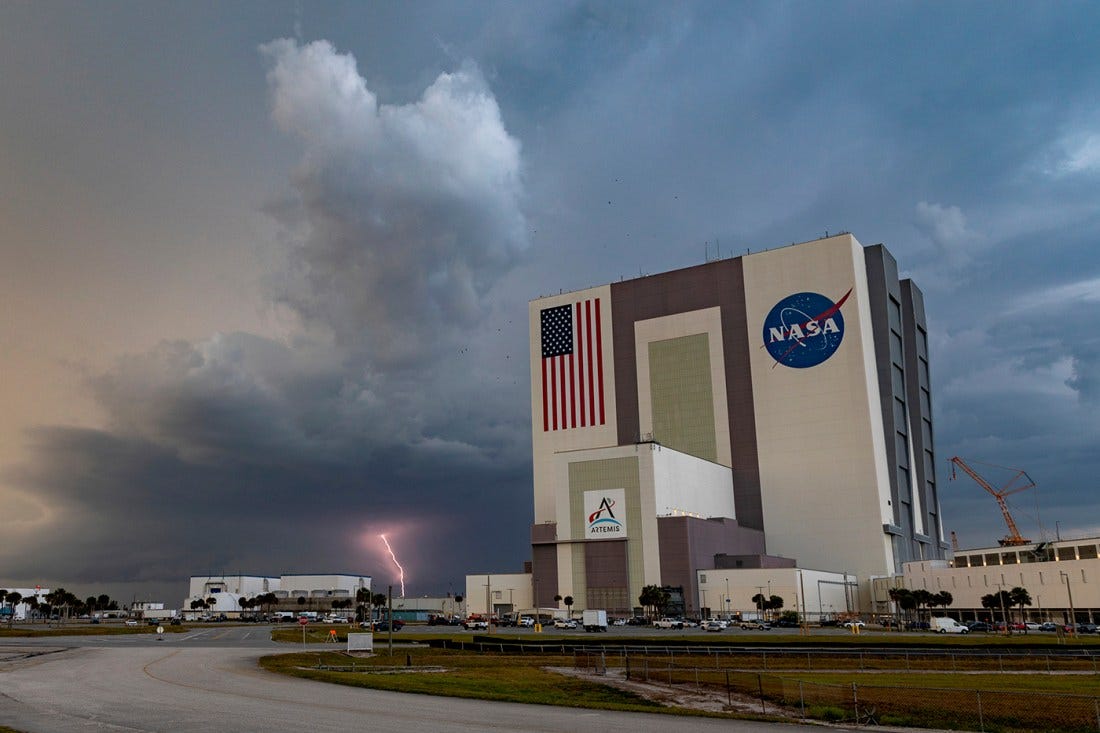
There are a few stories out today on the search to find a permanent Administrator of NASA. As veterans of many leadership races, this has all the hallmarks of a pitched competition to lead a top government agency.
In one piece, the Wall Street Journal uncovered some interesting details and proposals. One such proposal floating around: moving NASA under the purview of the Department of Transportation to give it cabinet-level status, indicating Secretary Duffy would like to continue leading the agency.
But as we shared last week, Jared Isaacman has also interviewed with both President Trump and Secretary Duffy for the job. On Shawn Ryan’s podcast several weeks ago, he made it crystal clear he would jump at the opportunity to serve as Administrator.
Rumors were that the President was prepared to make a decision as early as yesterday on the role. As we go to print today, we still do not know who will be the permanent leader of NASA. But we do know the President is determined to get the U.S. back to the lunar surface before China. And whoever leads the agency will be charged with pursuing that aggressively.