

FDA Rectifies Its Previously Wrong Approach to Wearable Technology

Good morning. We would say “welcome back,” as this is our first post of the new year, but just the first week of January alone felt like a month’s worth of news. So instead, welcome to Monday.
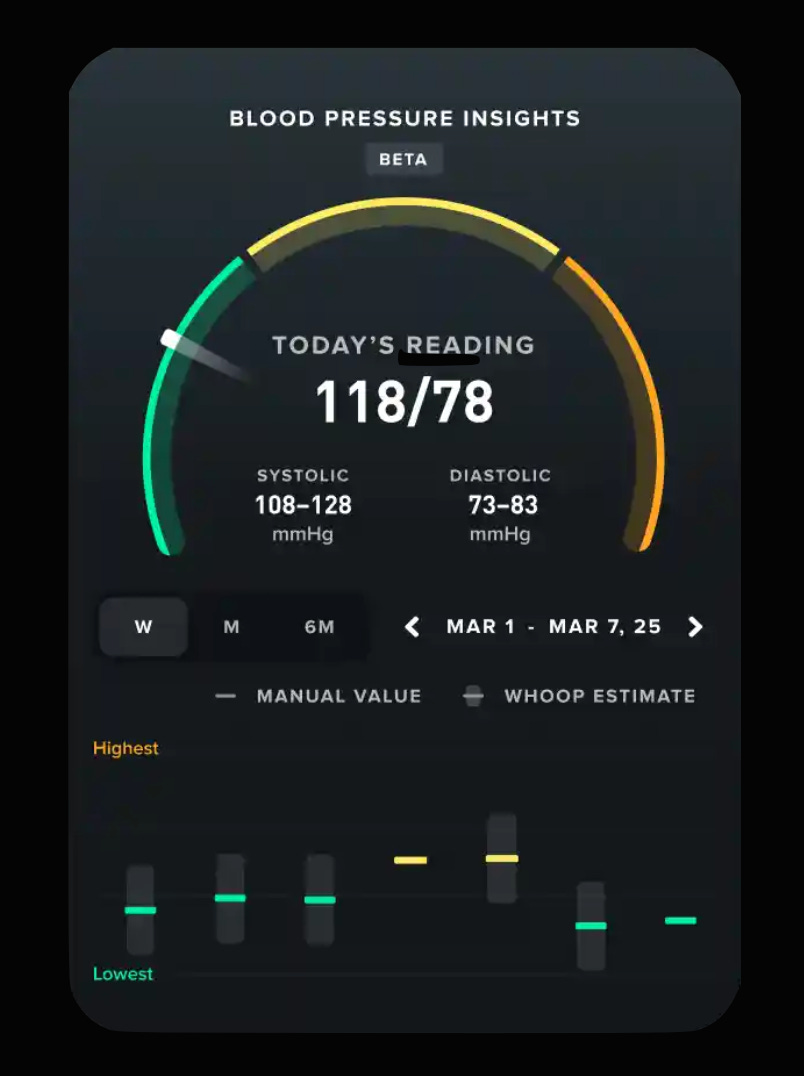
Last week, the Department of Health and Human Services and the Department of Agriculture announced new dietary guidelines (accompanied by a new government-approved dietary pyramid) that dominated the news cycle. But there was an additional action from a key health agency that should get your attention: the FDA issued favorable regulatory guidance to broaden the toolset of wearable devices.
In July, we told you that the FDA sent a warning letter to the popular wearable maker WHOOP, saying the company must remove a new blood pressure feature on its latest device, WHOOP MG. This was a bewildering response from the regulator given that around the same time WHOOP released its new product, HHS Secretary Robert Kennedy was touting the potential and benefits of wearable technology, specifically mentioning blood pressure monitoring.
The company, and corresponding research, argued that blood pressure insights are useful to one’s overall “wellness” and not exclusively a reading to diagnose hypertension or other cardiac conditions.
Back in July, ALFA noted that “WHOOP’s approach—providing contextualized insights, not diagnostic claims—should be the model. In fact, empowering Americans to monitor, understand, and respond to their own health signals is not just common sense—it’s foundational to MAHA.”
On Tuesday, the FDA announced it now agrees, issuing guidance that loosens regulation to allow readings such as blood pressure and glucose on personal devices without having to go through the long and expensive process of registering as a medical device.
Combined with the launch of healthcare verticals from OpenAI and Anthropic, Americans have more tools than ever at their disposal to know what their body is doing and to make decisions to improve it or seek attention from a medical professional.
It wasn’t lost on us that these announcements were made in the first week of the new year, just as Americans look to engage in new resolutions to improve how they eat, exercise, and live. With new technologies, these ambitions are easier than ever to achieve.
Quick Hits
🪖 Following the Administration’s new defense contracting order, Secretary Hegseth hit the road on an “Arsenal of Freedom” tour to meet with defense companies that are building and equipping the military with better and more efficient capabilities. Stops included missile maker Castelion, with visits to Lockheed and SpaceX scheduled today.
🚀 In the first twelve days of the year there have already been five rocket launches in the U.S. One of our favored X accounts notes that launches have become “so routine now that most ppl don’t even notice. spaceflight quietly went from spectacle to basic infra, like a highway.”
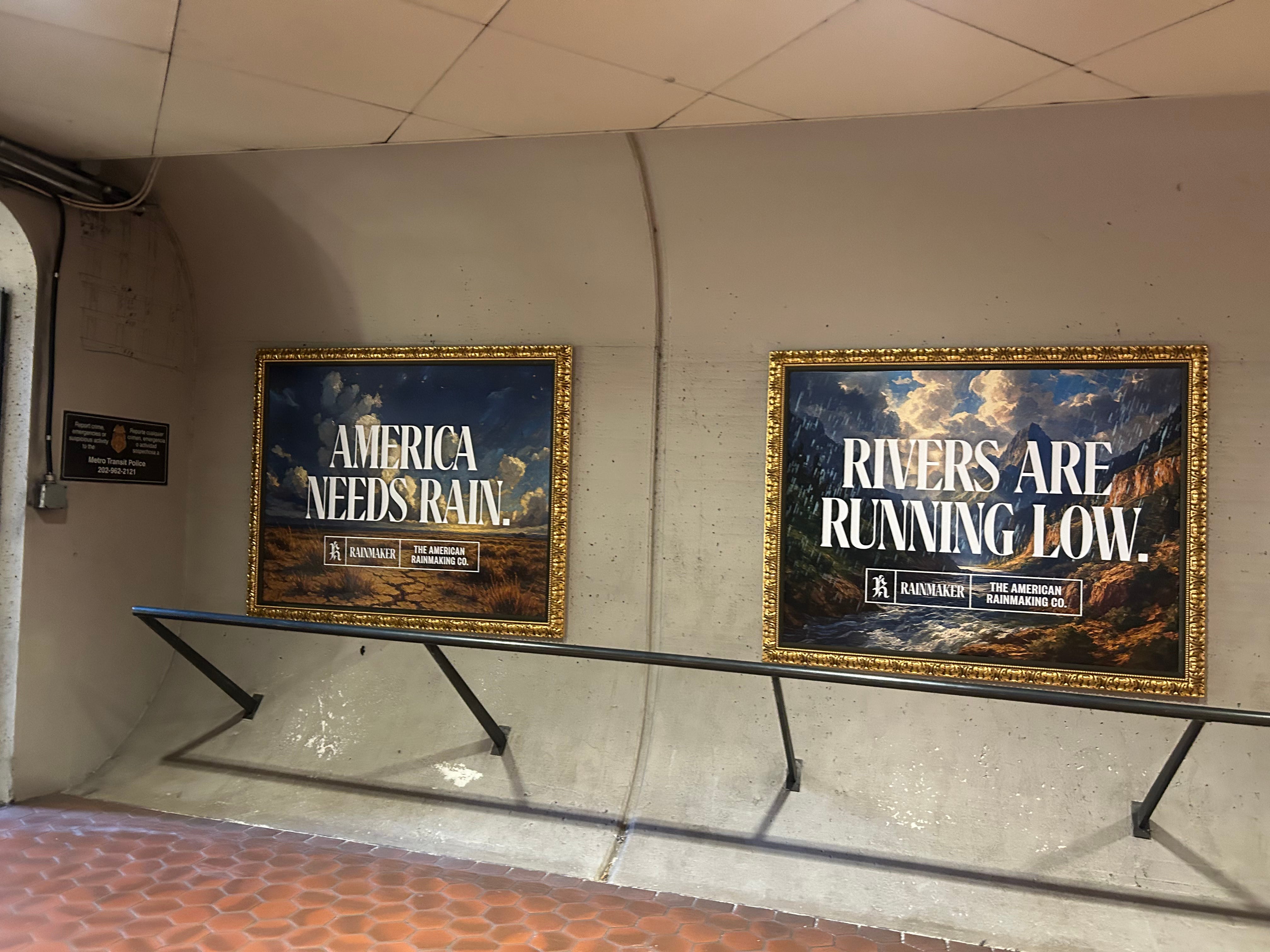
🌧️ Commuters of the Capitol South metro stop are greeted with new ads by cloud-seeding company Rainmaker, which is currently undertaking “the largest cloud seeding project in modern American history.”
Committee Hearings To Watch This Week
Protecting America’s Energy Infrastructure in Today’s Cyber and Physical Threat Landscape; Subcommittee on Energy (Committee on Energy and Commerce)
From Orbit to Operations: How Weather Satellites Support the National Security Mission; Subcommittee on Environment (Committee on Science, Space, and Technology)
Delivering for American Consumers: A Review of FinTech Innovations and Regulations; Subcommittee on Digital Assets, Financial Technology, and Artificial Intelligence (Committee on Financial Services)
Maintaining American Innovation and Technology Leadership; Subcommittee on Trade (Committee on Ways and Means)
Curbing Federal Fraud: Examining Innovative Tools to Detect and Prevent Fraud in Federal Programs; Subcommittee on Government Operations (Committee on Oversight and Government Reform)
Winning the AI Arms Race Against the Chinese Communist Party; Committee on Foreign Affairs
Assessing America’s AI Action Plan; Subcommittee on Research and Technology (Committee on Science, Space, and Technology)
Building an AI-Ready America; Committee on Education and Workforce