

It's Time To Start Stacking Regulatory Reform
Speaker McCarthy on how to help build needed energy infrastructure

Good morning. Earlier this year the ALFA Institute published a report on an under-the-radar regulation at a largely unknown, but critical, government agency: FERC.
At a time when our energy demand is increasing substantially due to the AI infrastructure build-out, this otherwise sleepy agency is now front and center to our country’s technological ambition. The regulations it issues need to be updated.
In 2023, as part of the debt-ceiling negotiations, Speaker McCarthy and House Republicans secured the most significant reforms to NEPA in 40 years. Now, a Republican-led Congress with the Trump administration can expand on that success and clear the path for new energy infrastructure.
Today’s edition features a piece by McCarthy on a few ways to do just that.
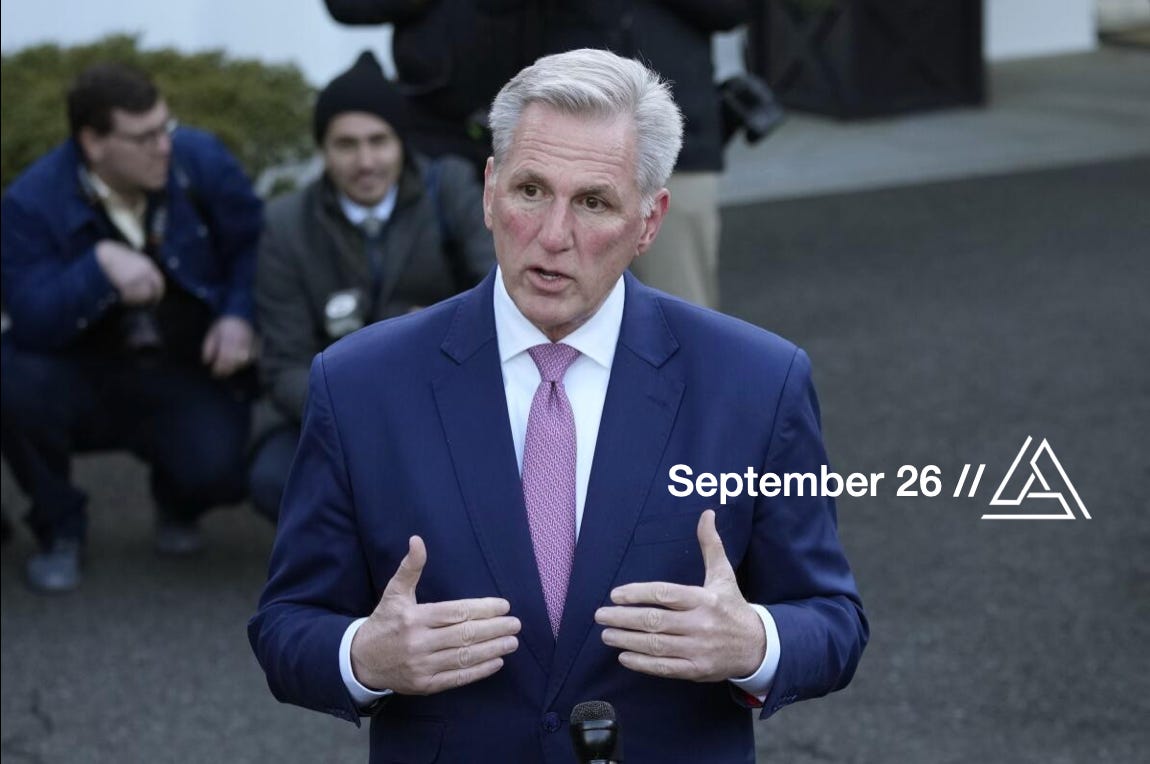
Powering the AI Era: Clearing Regulatory Roadblocks For America’s Energy Needs
By Kevin McCarthy, 55th Speaker of the House
As artificial intelligence continues to advance, the engine of this technology is facing headwinds: an outdated regulatory structure that is hamstringing the development and delivery of needed American energy.
The good news is that America is rich in the natural resources that produce our electricity and now has the leadership to unlock it. Together, with a private market ready to invest in the infrastructure that powers our electricity system, we are on the cusp of realizing the full potential the AI age has to offer.
But despite the economic and national security importance of these projects, there are still regulatory regimes in place that stand in the way.
Policymakers must focus their efforts to change that.
In 2023, as Speaker of the House, I negotiated the largest reforms to the National Environmental Policy Act (NEPA) in 40 years. Considering the negotiator on the other side of the table was President Biden and his team, which viewed AI as an existential threat, securing these reforms was a significant step in America’s quest to build for the future.
Now, with the leadership of President Trump, we must finish the job and create a regulatory structure that encourages our full-scale energy and infrastructure development.
The ALFA Institute has put forward various proposals to achieve this objective at both the executive and legislative branches.
One of these proposals stands with an agency at the heart of our current permitting logjam: the Federal Energy Regulatory Commission (FERC), which regulates the interstate transmission of electricity, natural gas, and oil, and whose mandate is to determine whether a project is of the “public convenience and necessity”.
Given the national imperative to continue as the world’s leader in AI, it’s clear the energy infrastructure needed for its advancement meets this standard.
But FERC’s permitting process has been hijacked by the environmental lobby and their bureaucratic allies to delay or kill important energy projects.
FERC can reverse this legacy by exercising its power to codify a new regulatory framework by starting with an expansion of its blanket certificate program, which is designed to fast track enhancements to existing energy infrastructure.
First, the agency should raise the cost caps on qualifying projects for the blanket certificate program. As the ALFA report noted, “a recent review found that nearly 40% of natural gas projects filed since 2020 could have qualified if the cap had simply kept pace” with the average per-mile cost increase of 268 percent for pipelines. By reflecting the realities of today’s project costs, more projects will be underway.
A second ALFA proposal includes expanding project eligibility for this fast-track permitting. Many energy projects today involve upgrading or expanding within existing energy corridors instead of building anew. If a new pipeline is being built in the same footprint as an older one, why treat it like a brand-new project? These projects should get a green light, not endless bureaucratic delays.
These programmatic reforms are set against the backdrop of needed comprehensive NEPA reform across all regulating agencies. As Justice Kavanaugh wrote in the Supreme Court’s unanimous Seven County Infrastructure Coalition decision, NEPA has been abused “to delay or block agency projects based on the environmental effects of other projects separate from the project at hand.”
Instead, he stated, “NEPA is a procedural cross-check, not a substantive roadblock. The goal of the law is to inform agency decision-making, not to paralyze it.”
To return to its intended purpose, Congress should focus its policy priorities this fall on permitting reform with a principal objective of ending the litigation weaponization that delays projects and incurs budget-busting legal fees.
America’s industrial future depends on clearing these regulatory roadblocks before they choke off America’s technological and economic momentum. AI is moving fast and our ability to power it must keep up. By modernizing FERC’s authorities, reforming NEPA, and ending the litigation abuse that stifles investment, we can unleash the full potential of our energy resources. The choice before us is simple: adapt our rules to the speed of innovation, or watch our competitive edge slip away. The time to act is now.
FIELD NOTES
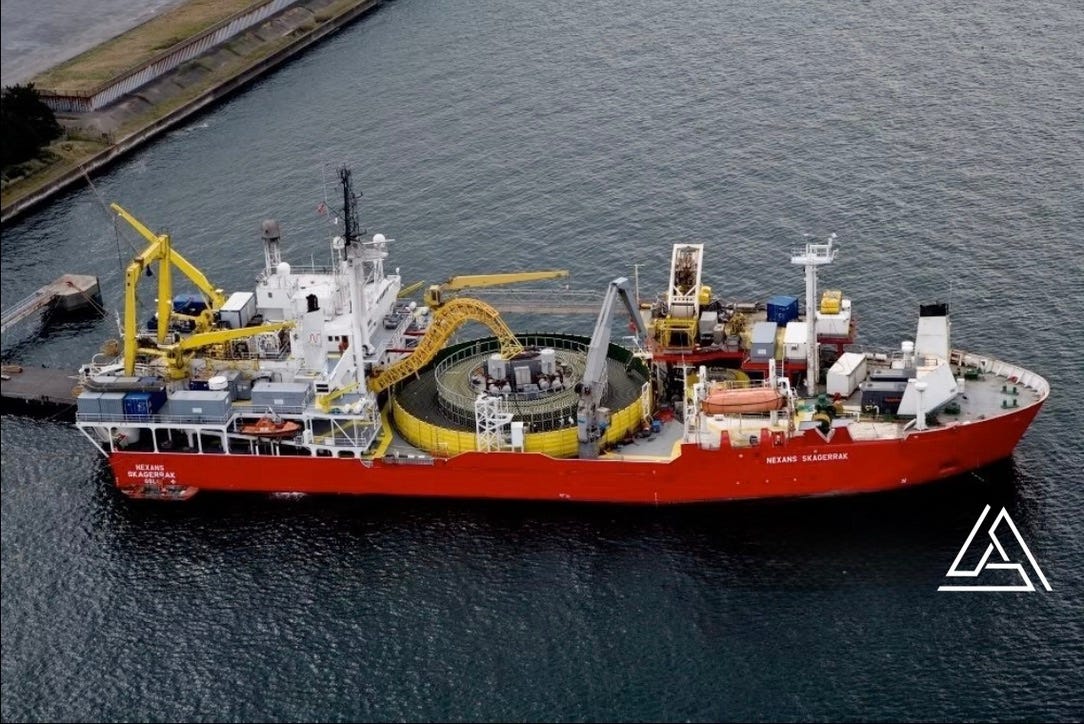
Russia’s Undersea Cable Threat
The FT has a piece out this morning on Russian ships mapping undersea cables along Europe’s Atlantic coastline. It’s the latest reminder that while we are racing to secure our assets and technology in space, the networks of hard infrastructure are still susceptible to sabotage. Earlier this year, ALFA wrote about a bill in Congress that would increase the resilience of the undersea cables that carry internet and other sensitive data to the U.S. The FT piece shows just how important that legislative effort is.
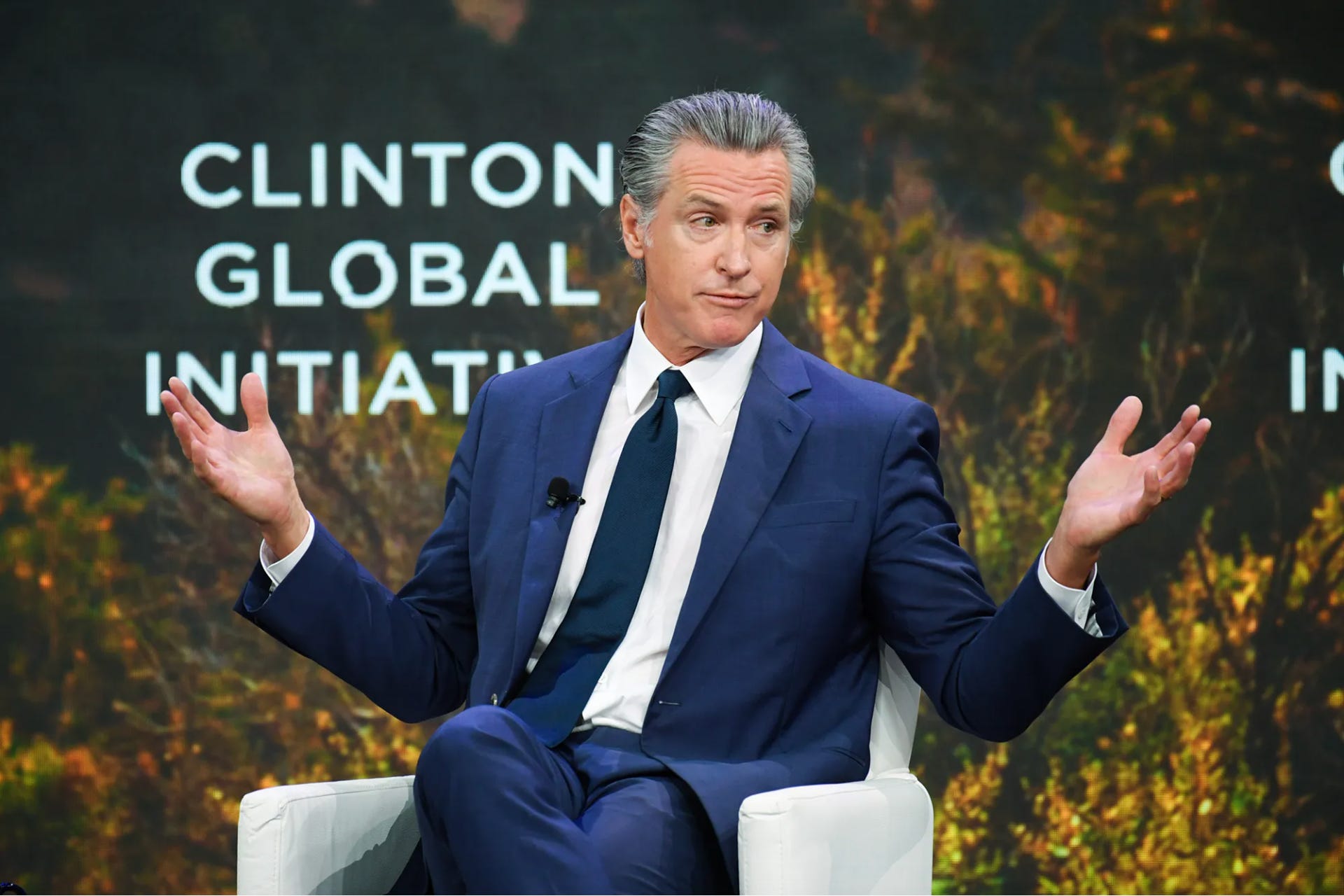
California Tries Again On AI Law
After California Governor Gavin Newsom vetoed a bill (SB 1047) which would have had a debilitating effect on AI companies building and operating in the Golden State, California lawmakers are back with a consolation prize, SB 53.
While this new bill lacks the enforcement teeth, removes audit requirements, and focuses on disclosure paperwork most companies already publish, it still adds more layers of bureaucratic burden to young companies.
The California legislature just can’t seem to help itself when it comes to raising the barrier to entry for startups. The only difference between these two bills is now, Governor Newsom appears ready to join the party.
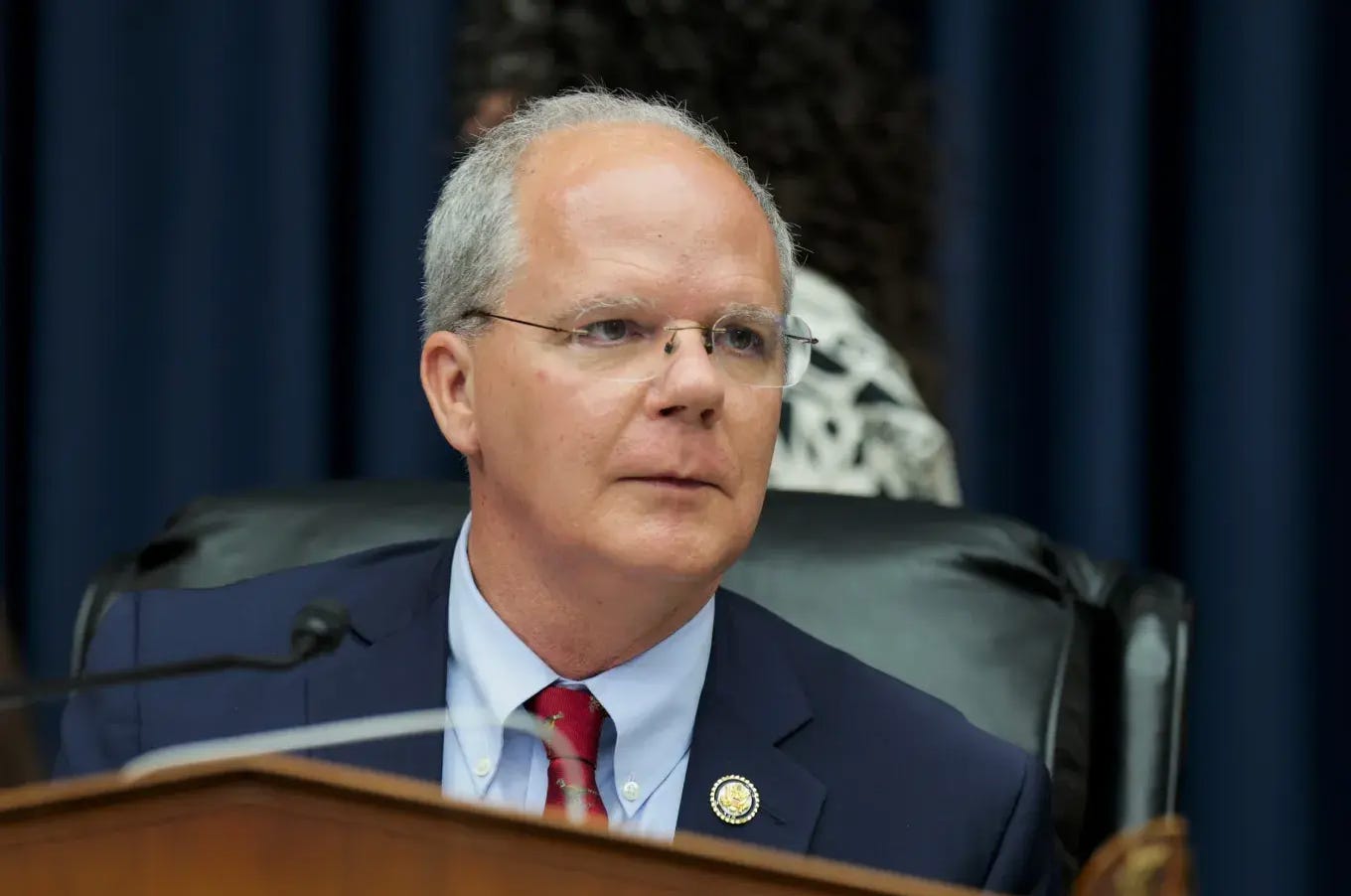
Guthrie Is Going For AI Certainty
Speaking of state AI laws, Energy and Commerce Chairman Bret Guthrie told Punchbowl last week that a national standard for AI is needed.
Chairman Guthrie deserves credit for refusing to surrender on establishing a coherent national framework for AI governance. After the setback earlier this year, when the Senate stripped out the blanket preemption, the renewed push is the right move.
The American innovation ecosystem needs Congress to prevent a regulatory patchwork and constantly shifting playing field. Recognizing this reality and restarting preemption strategies shows they understand the stakes: American AI excellence underpins our future economic and national security.