The Energy Industry’s Commercial Space Moment

We talk a lot about data centers. They are the foundation AI runs on, and their construction creates jobs. They also use a lot of electricity and have become a flashpoint in many communities over higher rates and increased strain on the grid that could result in brownouts.
The most important policy challenge facing AI is delivering enough energy to power data centers.
We have heard some technology executives quip that they’ll soon be as much of an energy company as a tech company. In fact, many technology companies have decided that they aren’t going to wait around for legacy electricity generation to become available. They are going to build it themselves.
Last week, Meta announced partnerships with several new nuclear companies. Microsoft is working to restart Three Mile Island. And OpenAI and SoftBank invested in SB Energy to expand data center and power infrastructure for their Stargate initiative.
President Trump threw an accelerant on these efforts last night, saying his administration is working with tech companies “to ensure that Americans don’t ‘pick up the tab’ for the POWER consumption, in the form of paying higher utility bills.” And that “the big Technology Companies who use them [datacenters] must ‘pay their own way.’”
Translation: if tech companies want the energy, they should build it themselves.
The President’s announcement creates an inflection point for our energy future.
Under the current trajectory of looking to utilities for more energy, the burden to meet the demand is on regulators, policymakers, and utility companies themselves.
But that trajectory is static. The SPEED Act has slowed to a stop in the Senate.
The president’s announcement last night sets a new path for electricity generation at the speed at which technology companies prefer to operate. Which is to say, fast.
When technology companies and technologists face a challenge, they throw the kitchen sink at it.
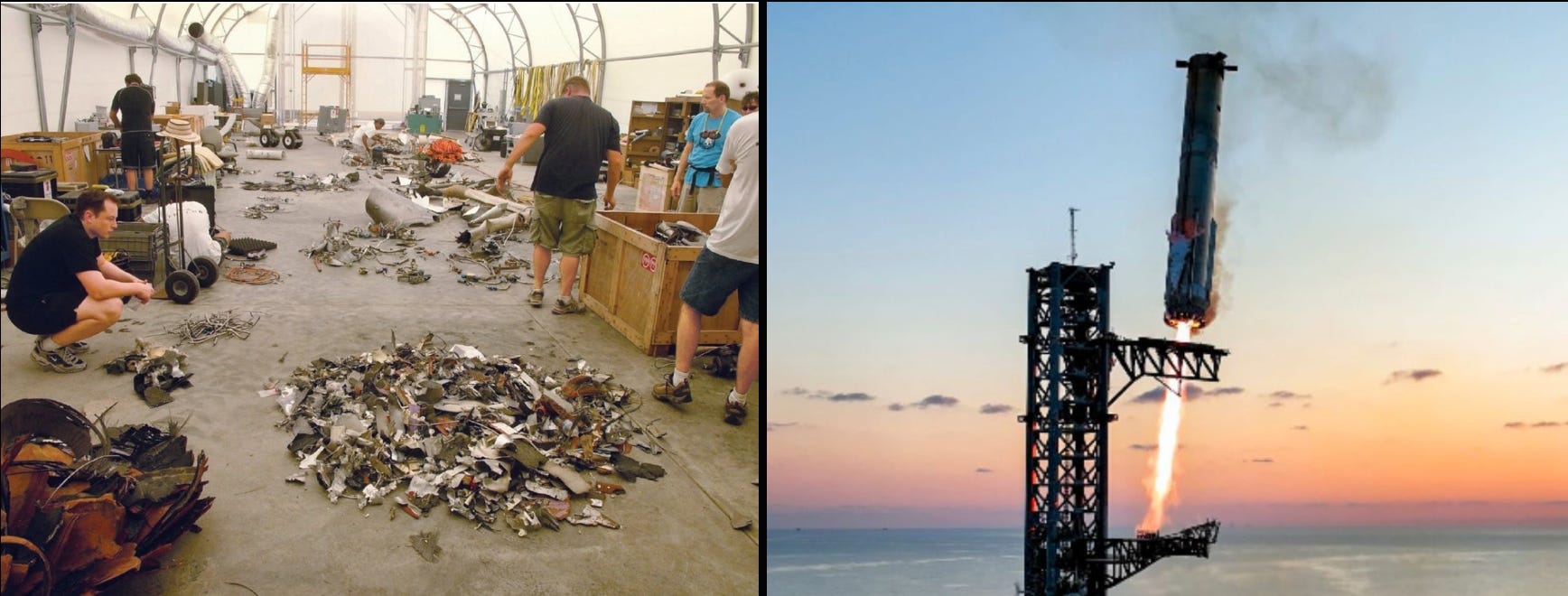
Just look at the separate, yet similarly intractable problem that spaceflight and exploration faced years ago. In starting SpaceX, Elon Musk put all his chips on the table and eventually created the most dominant rocket company on Earth. Facing endless doubt and near bankruptcy, he built not just a company, but returned America’s will to reach the stars and facilitated a booming industry.
If tech companies attack our energy needs with a similar zeal, a new energy renaissance could emerge. Nuclear, gas turbines, solar, and batteries are all on the table for tech companies to finance and deploy.
Yes, this means more energy for the starved data centers. But perhaps more importantly, it could prove out a future where electricity generation is freer and more plentiful than the current generators and distributors have provided.
This would serve as its own inflection point, forcing regulators and policymakers who have resisted necessary reforms to finally adopt policy change—much as they did with the commercial space industry, which, as we noted yesterday, is launching rockets at a cadence not much different than laying asphalt.
Quick Hits
💻 + 🧾 The Government Accountability Office is out with a new study today on how technology can root out fraud and improper payments. The chief scientist at GAO will testify in Congress today that AI has “the potential to enhance efforts to combat fraud and improper payments.” But the report also says there is a big skills gap in the federal workforce. This is where the Office of Personnel Management comes in, and the work its Director Scott Kupor is doing in launching the Tech Force to plug these tech-forward personnel gaps within the federal government.
🪵 The Department of Interior and the Department of Agriculture announced the latest in its efforts to streamline federal firefighting services. The Wildland Fire Service, born from an executive order this summer, announced a new chief and continues its efforts to remove all friction that naturally occurs when two separate agencies are charged with the same mission, including with technology integration.
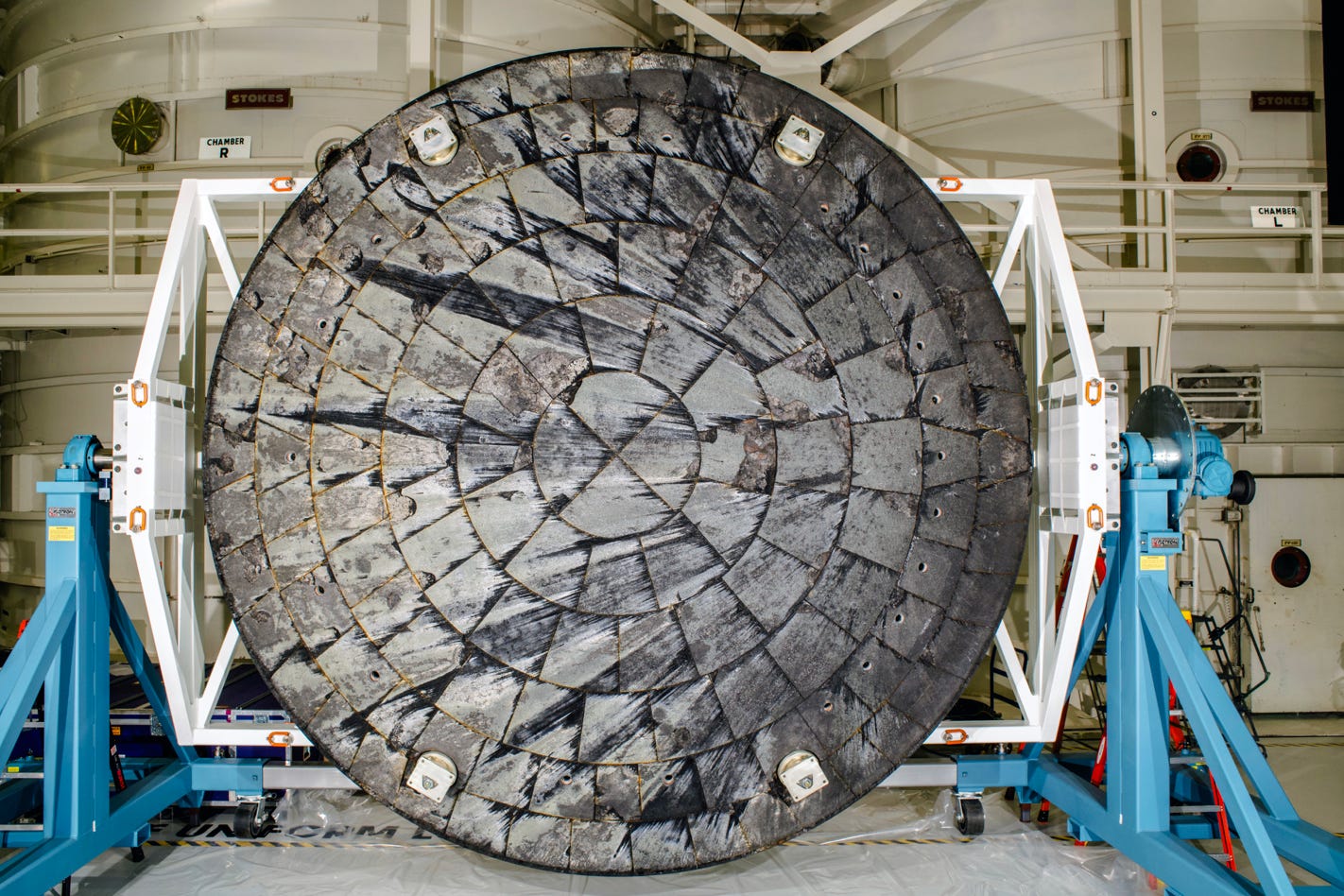
🚀 Next month, NASA’s Artemis II mission will launch, sending astronauts further into space than any human has traveled in 50 years. One point of conversation in the space community has been around the heat shield of the spacecraft that will carry the crew around the moon. After Artemis I, an inspector general report showed the shield was damaged far more than initially reported. Ensuring the heat shield is safe has been a top priority of NASA Administrator Isaacman. His determination has “full confidence in the Orion spacecraft and its heat shield.” Liftoff scheduled for as early as February 6.