

Technology Redefining American Diplomacy
New companies will become key partners in deploying foreign aid to advance U.S. interests

Technology Redefining American Diplomacy
By Leighton Farrel
For months, D.C. has been speculating about how the State Department will approach foreign aid after the Trump administration shuttered USAID. Last week provided a first look, which could be a flagship moment for American innovation.
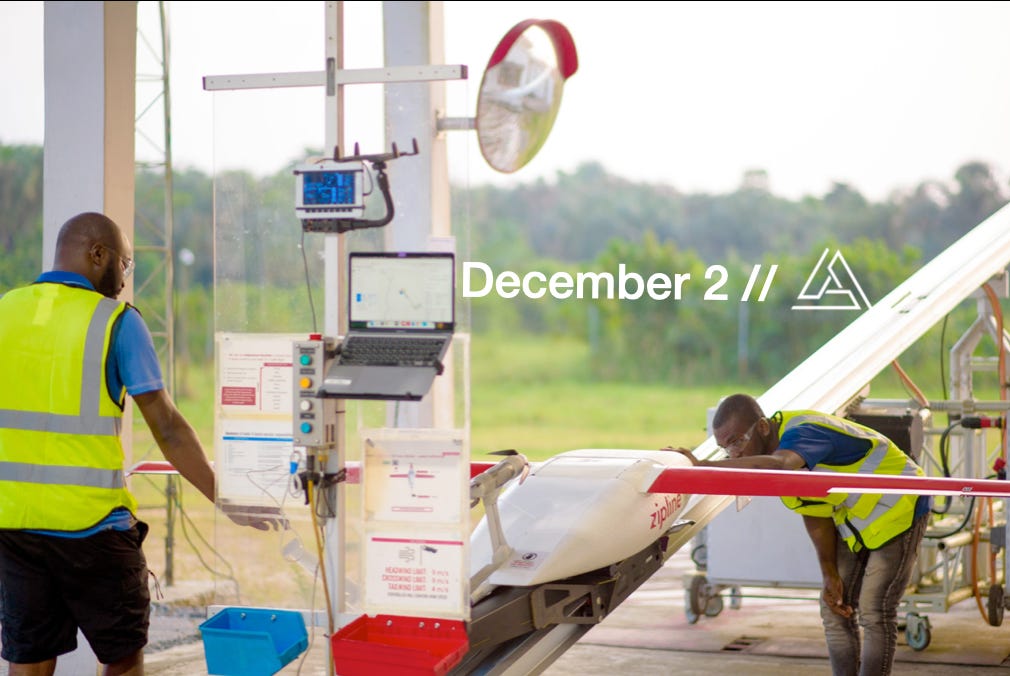
On November 25, 2025, the Department of State announced a first-of-its-kind agreement to provide up to $150 million to Zipline, a San Francisco-based robotics company that produces autonomous drones. Zipline will use this investment to expand its medical logistics network, including blood and medicine deliveries, across Rwanda, Côte d’Ivoire, Ghana, Kenya, and Nigeria. The deal utilizes milestone-based payments and co-financing commitments with partner governments to fund the project while creating economic opportunities for the U.S. and recipient nations. If Zipline successfully deploys this investment to increase its existing infrastructure to 15,000 health facilities, it will earn a total payout of up to $400 million.
This new model is commercial-first foreign aid. The State Department finances the growth of U.S. businesses to assist developing economies while simultaneously addressing threats to U.S. security. The partnership deviates from the previous USAID contract model where bureaucrats designed programs, enterprises bid to enact the programs, and programs were painstakingly implemented as outlined.
It is important to remember that the Zipline contract is just the first step toward creating a new system to replace the 83% of USAID programs cut by Trump administration reforms. Under the new commercial-first approach, non-traditional enterprises1, such as a young autonomous drone company, will become key partners in deploying foreign aid to advance U.S. interests. What’s needed next is to empower more entrepreneurs to build technologies that advance U.S. diplomacy.
How We Got Here
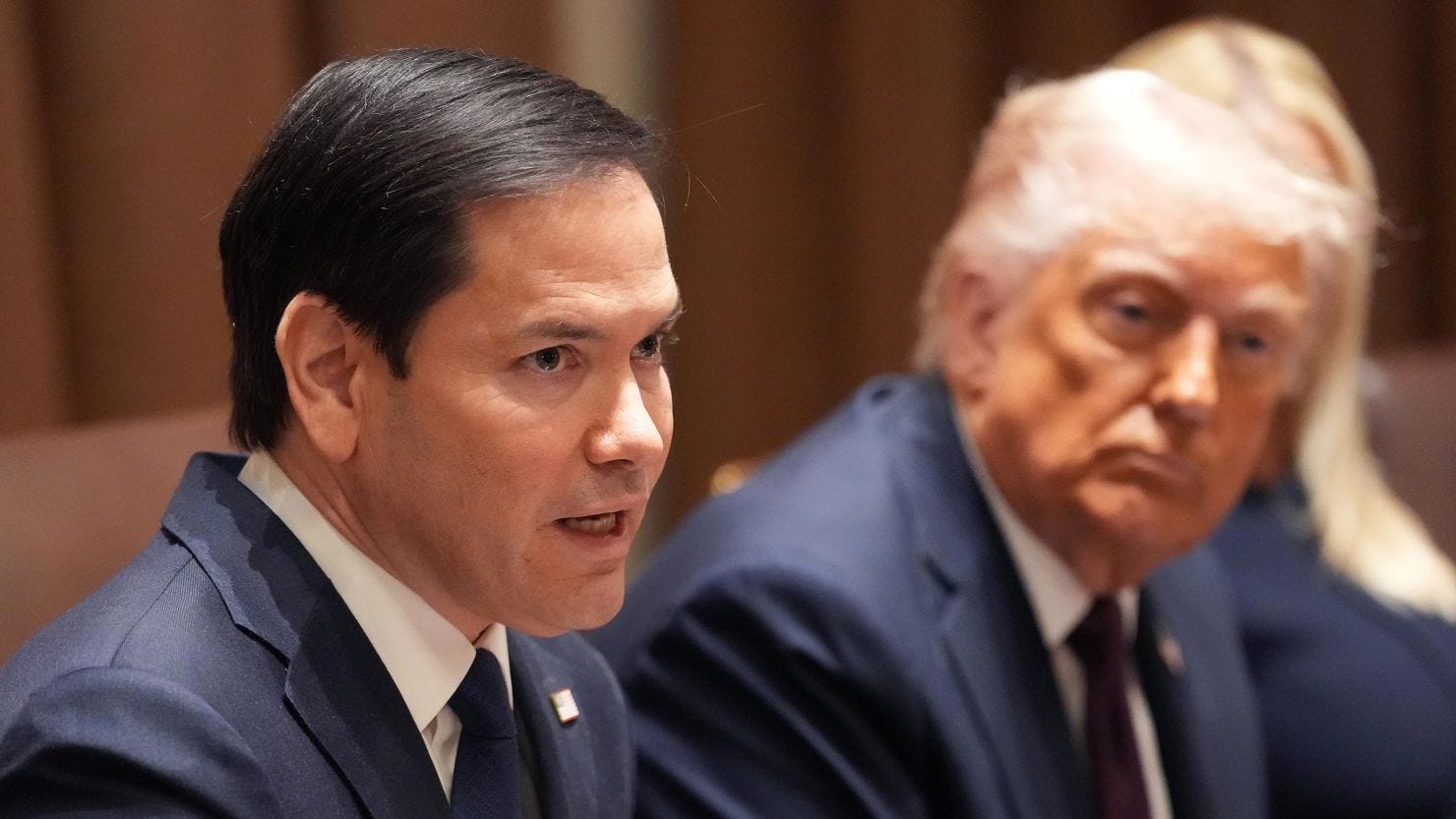
On January 20, 2025, the Trump Administration issued an executive order that instituted a 90-day pause on the provision of foreign aid and mandated a review of all foreign aid programs. In March, Secretary of State Marco Rubio announced that 83% of USAID programs, or 5,200 contracts, were cancelled, while the remaining 17% of programs were transferred to the State Department.
In July, Secretary Rubio executed the Trump Administration’s reorganization of the Department of State. 132 bureaus and offices were cut while, ~3,100 employees were either fired or took early severance packages. This was accompanied by layoffs across U.S. foreign policy agencies.
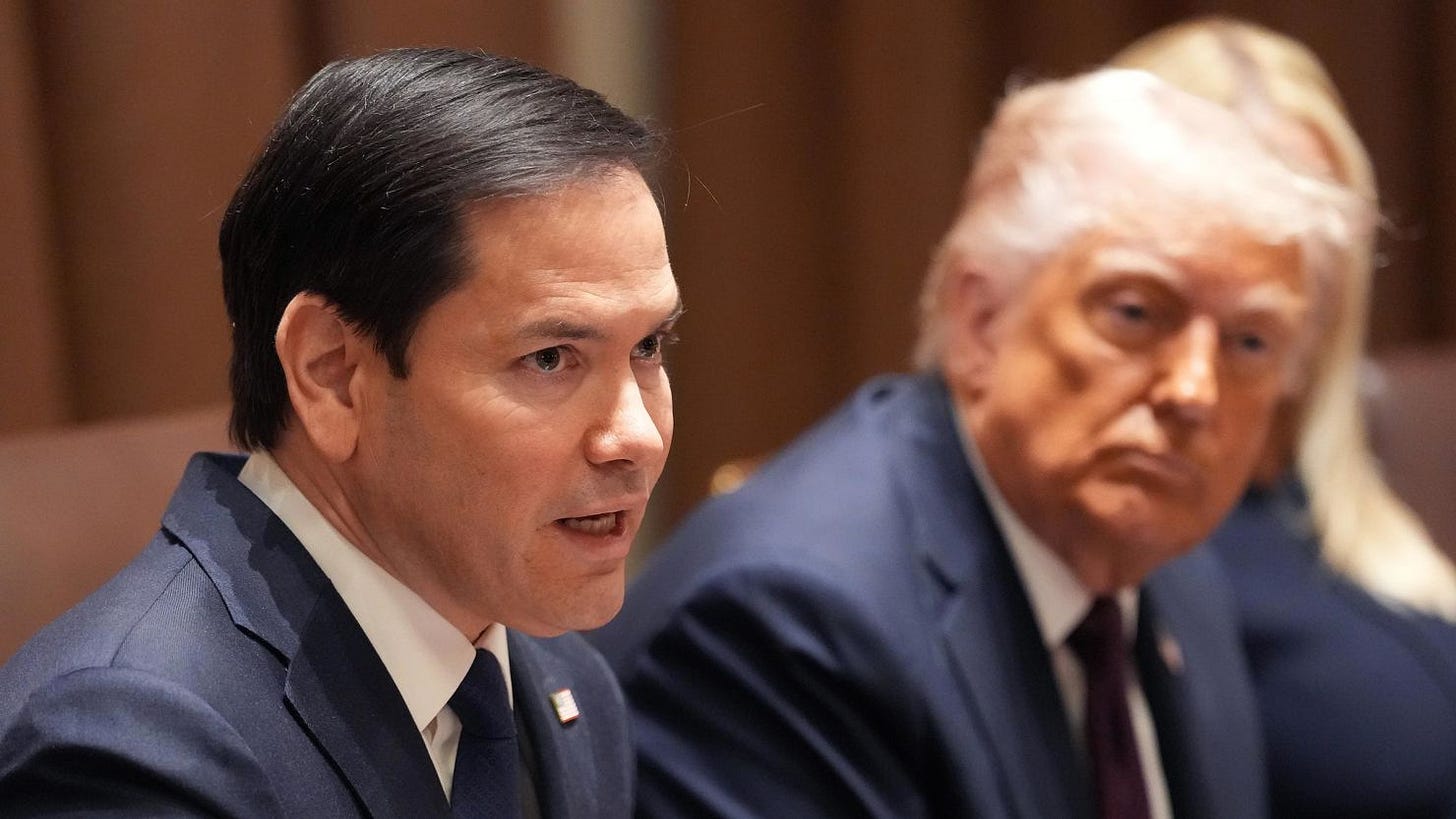
The Zipline partnership is the first in a series of deals expected to meet the Department’s goal of reallocating the majority of U.S. health foreign assistance by December 31. In September, the State Department announced its America First Global Health Strategy to rebuild global health foreign assistance programs and emphasize the role of aid as a strategic mechanism to further U.S. bilateral relationships.
The Logic Behind Commercial-First
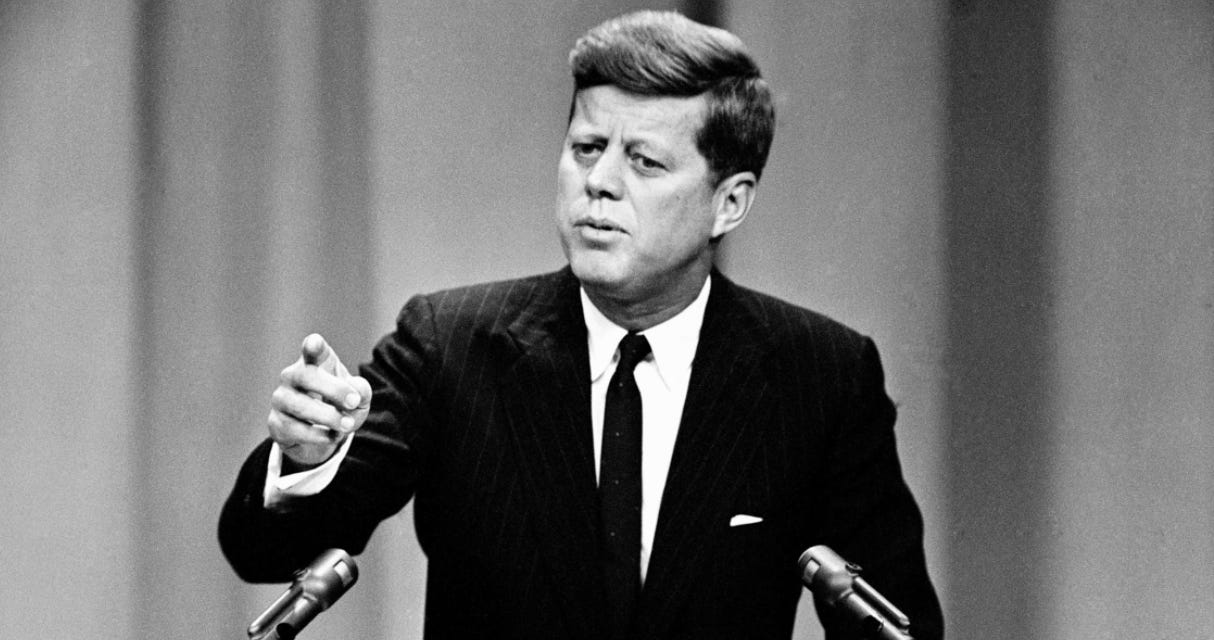
USAID has administered foreign aid programs since it was created by President John F. Kennedy in 1961 to counter Soviet influence abroad and resolve underlying causes of U.S. national security concerns. The logic was simple: address the basic needs of vulnerable populations to prevent larger problems that endanger American and allied citizens while improving U.S. relationships with partner nations. For example, USAID played a crucial role in expanding healthcare infrastructure in the developing world to eradicate smallpox and stop the spread of AIDS.
Prior to 2025, the last holistic reform of U.S. foreign policy agencies occurred under the Clinton Administration with the 1998 Foreign Affairs Reform and Restructuring Act (FARRA). FARRA abolished several agencies, transferring their responsibilities to the State Department, along with certain functions of USAID. These reforms, however, occurred before the invention of the BlackBerry, not to mention the War on Terror, and at a time when End of History sentiments were the consensus.
Today, there are a growing number of developing countries that want trade opportunities and job creation, in lieu of traditional foreign aid, to support burgeoning tech sectors and rapidly expanding populations. In 2016, the Rwandan government signed a contract to employ Zipline’s autonomous drones for emergency blood transportation to healthcare facilities. Once at the facility, the drones release an IV blood bag which parachutes down in an insulated cardboard box before returning to a distribution center. A 2022 report concluded that half of Zipline’s ~13,000 drone orders between 2017-2019 took 41 minutes, a quarter of the time it would have taken by car. The partnership has saved lives among the 83% of Rwandans living in rural areas while reducing the amount of wasted medical supplies and empowering Zipline’s expansion into new markets.
The State Department’s new agreement with Zipline will strengthen U.S. bilateral relationships with key countries. Nigeria is projected to become the world’s third-most populous country by 2050. Today, Nigeria ranks 28th lowest globally in human development, yet is home to emerging technology upstarts valued in the billions. As announced, the State Department’s new partnership with Zipline aims to strengthen Nigeria’s healthcare infrastructure, invest in its tech sector, and enhance emergency response to disease outbreaks. This approach enables American companies to reach new markets while addressing the root causes of long-term threats to U.S. security.
A Practical Solution, Not a Silver Bullet
Trump Administration criticisms of waste, fraud, and abuse within USAID are well documented. Under the surface of these were more substantial critiques about the types of sustainable governance requirements in USAID programs and the extent to which these programs furthered US interests. Now, through a commercial-first approach, the Administration is racing to reconcile these criticisms to create new programs with measurable impact that will tangibly further U.S. diplomacy.
The commercial-first approach to foreign aid has emerged as the leading solution to balance reform, political constraints, and geopolitical imperatives in the wake of recent cuts. That being said, it’s not a silver bullet. USAID was ingrained with extensive auditing systems and an intentional emphasis on training bureaucrats in recipient nations to practice effective governance. When partnering with innovative enterprises, policymakers should continue to implement effective safeguards to ensure that private enterprises will use tax-payer money as allocated.
In addition to providing foreign aid, USAID was responsible for administering humanitarian aid to stabilize partner countries during acute crises, like natural disasters. Commercial-first foreign aid can never substitute for humanitarian assistance because providing food for starving populations is not profitable.
Lessons From DOD Reforms
The foundation for a commercial-first approach to foreign aid can be found at the Department of War. Historically, the DOW used a requirement-based defense acquisition system (JCIDS) where it initially solicited designs. Then, contractors built prototypes under costly “cost-plus” contracts before shifting successful models to fixed-price production. This, coupled with defense industry consolidation, meant that prime defense contractors were consistently behind schedule, over budget, and slow to integrate emerging technology.
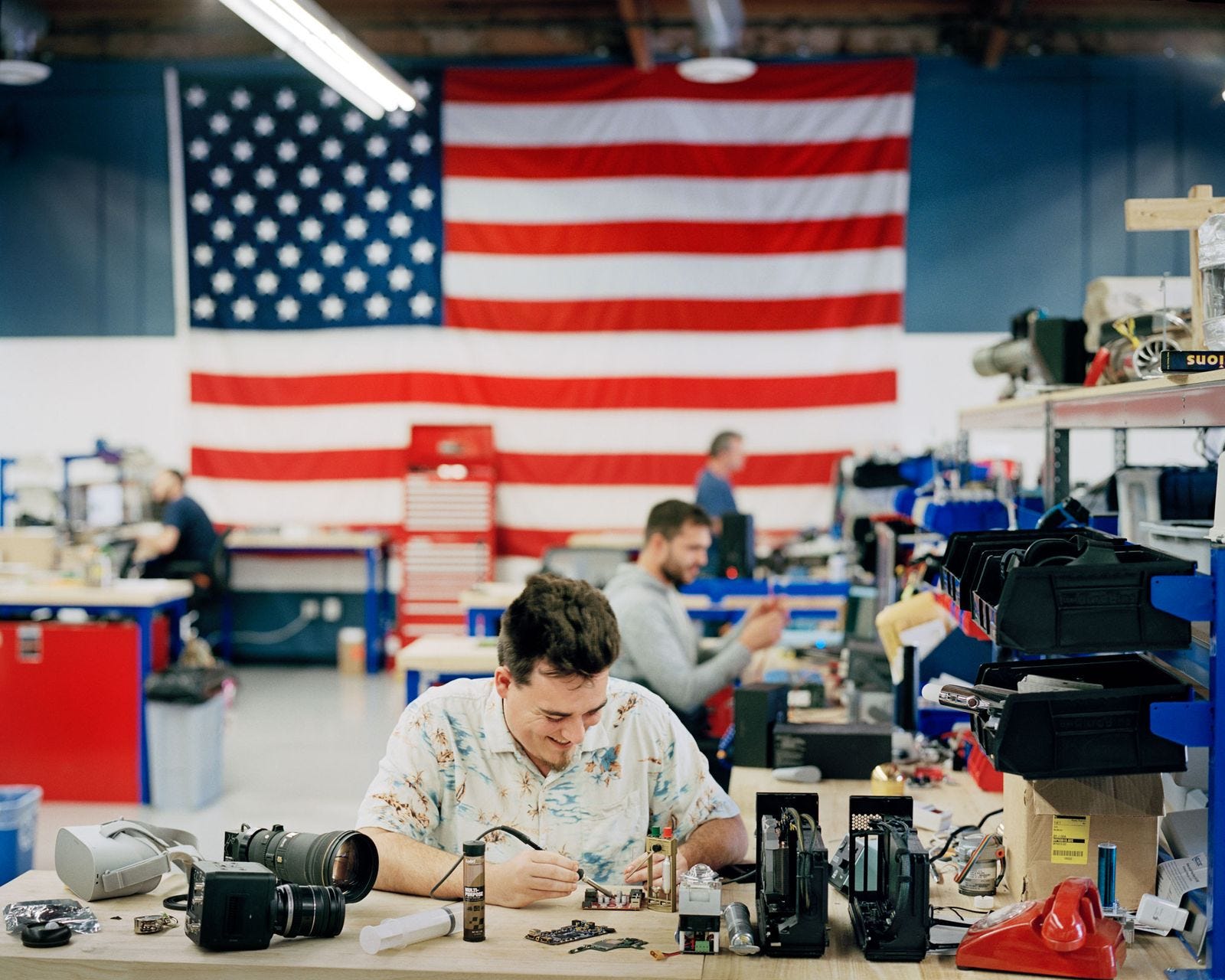
In the 2010s, new defense technology companies identified unaddressed problems, developed cost-effective solutions, and sold them to the federal government using a “plug-and-play” model.
Spurred on by this private-sector innovation, the DOW implemented a commercial-first approach to defense acquisitions using a Requirements & Resourcing Alignment Board to align strategic priorities with budget decisions. The DOW built upon these reforms with its Acquisitions Transformation Strategy aimed at rapidly fielding advanced technology, expanding production capacity, and creating a culture of speed and execution2. This strategy was accompanied by guidelines specifying six critical technology areas in which the private-sector should focus innovation.
A Strategy for the Future
This is an opportune moment for the State Department to formulate its own strategy to create a “diplomatic industry” worthy of an acquisitions process and capable of effectively administering U.S. foreign aid.
Federal restructuring and hiring freezes have forced aspiring diplomats and seasoned civil servants into the private-sector job market, while technological advancements have reduced start-up costs. Partner nations with burgeoning tech sectors and rapidly expanding populations want to work with U.S. enterprises to improve quality of life, create jobs, and boost trade. Zipline, and defense tech companies like Anduril, have proven that creating ready-made solutions to urgent issues while emphasizing rapid implementation and demonstrable results is effective.
In this new strategy, the State Department would outline broad goals for engaging traditional partners and ambitious entrepreneurs in U.S. diplomacy. These frameworks would direct U.S. enterprises to the available talent and market opportunities while encouraging existing firms to begin self-identifying as part of an American diplomatic industry. From there, the strategy would draw lessons from similar DOW reforms, specifying critical technology areas in which diplomacy-tech enterprises should focus innovation. Congress could follow with commercial-first approaches to the SFOPS appropriations bill, as is currently happening with the NDAA.
If managed correctly, commercial-first foreign aid can become a mutually beneficial system of development assistance that uplifts millions of lives, protects allied and American citizens, propels U.S. innovation, and furthers American interests abroad.
Leighton Farrel is the founder and president of The Stratagem Initiative. He is a senior at the Georgetown University Walsh School of Foreign Service.
Enterprises is the industry term used to denote both NGOs and private sector companies.
The Acquisitions Transformation Strategy outlines embracing risk as necessary to achieve its goals